

Two identical solar systems, installed with identical panels and inverters, can produce meaningfully different amounts of electricity over a year — and the reason usually isn't the equipment. It's placement. Roof pitch, compass direction, tilt angle, nearby trees, and even local weather patterns all interact to determine how much usable sunlight actually reaches the panel surface.
Homeowners often spend weeks comparing panel brands and inverter warranties, then treat placement as an afterthought decided by whichever installer shows up first. That's backwards. A mediocre panel in an ideal location will frequently outperform a premium panel installed on a shaded, poorly oriented roof. Getting placement right is the single highest-leverage decision in the entire installation process.
This guide walks through everything that goes into choosing where to install solar panels — roof versus ground mounting, orientation, tilt angle, climate, and shading — so you can make an informed decision before a single bracket goes on the roof.
Key Takeaway: Maximum solar efficiency comes from combining four factors correctly — an unobstructed, sun-facing surface; an orientation and tilt angle matched to your latitude; a mounting system suited to your roof or land; and a design that accounts for your local climate. Get all four right and identical panels can produce noticeably more electricity over the life of the system.
Key Solar Placement Statistics
"The best solar panel on the market underperforms a mid-tier panel the moment it sits in partial shade or faces the wrong direction. Placement decisions made in the first planning conversation shape returns for the next twenty-five years." — Ping Tree Systems Solar Lead Distribution Report, 2026
Roof-Mounted vs. Ground-Mounted Systems
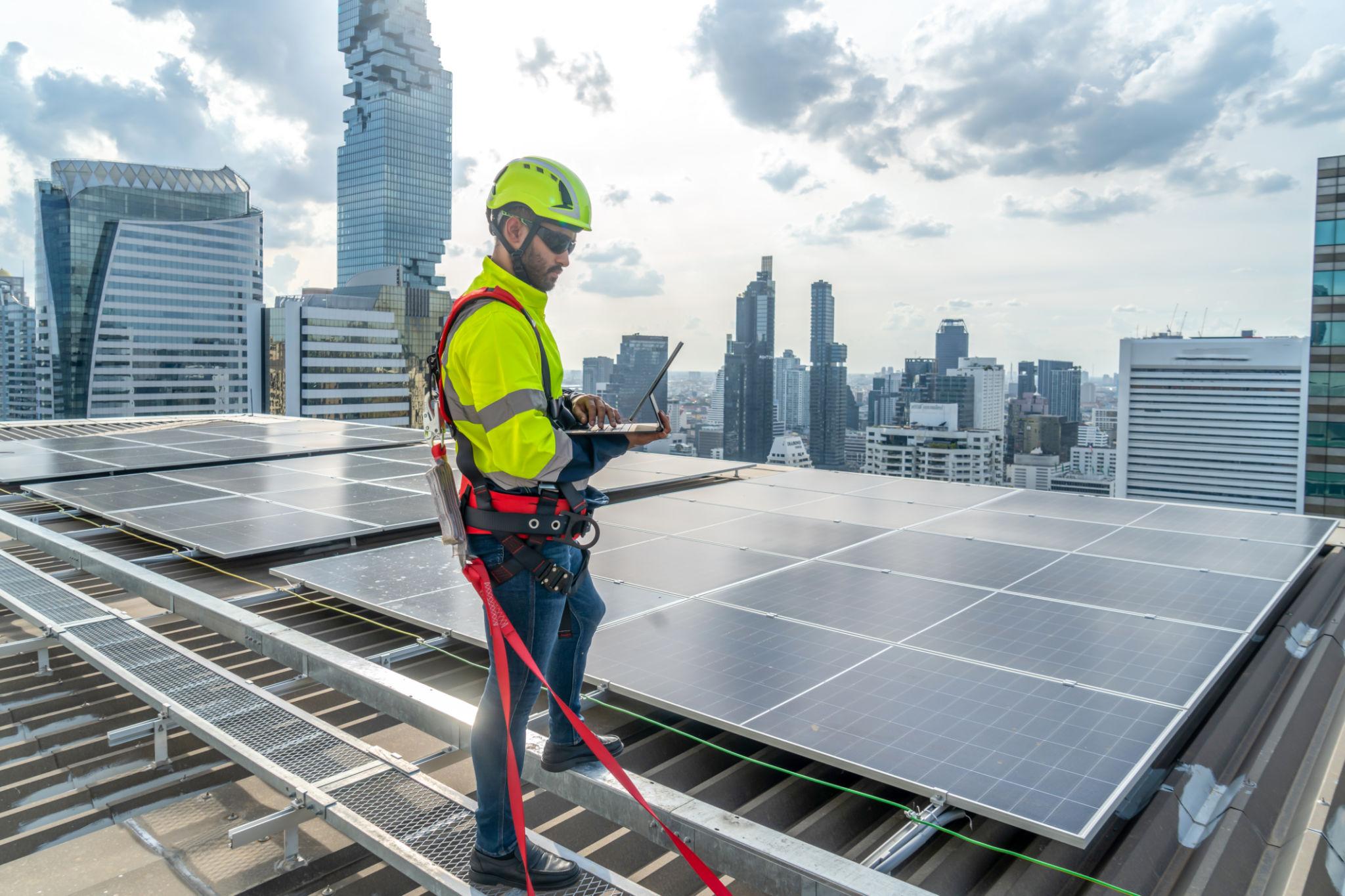
Roof mounts are the default for most homes, but they aren't automatically the most efficient option.
The first placement decision most homeowners face is whether panels go on the roof or on a ground-based rack. Both approaches can deliver strong performance, but they trade off differently on cost, flexibility, and long-term efficiency.
Roof-mounted panels are the more common residential choice because they use existing structure and don't consume any usable yard space. They also sit higher off the ground, which reduces exposure to casual vandalism and keeps the array out of the way of everyday household activity. The tradeoff is that roof mounts inherit whatever orientation and pitch the roof already has — a roof that faces east-west rather than south, or one broken up by dormers and vents, limits how much of the surface can be used efficiently. Roof age, decking condition, and structural load capacity also need to be verified before installation, since a roof nearing the end of its life may need replacement first.
Ground-mounted panels solve the orientation problem directly — installers can set the array at whatever compass direction and tilt angle produces the most energy, independent of any existing structure. Ground mounts are also easier to clean, inspect, and expand later. The cost is dedicated land: a ground array needs open, unshaded space, may be subject to local zoning or setback rules, and typically costs more per watt to install because of the additional racking and trenching required to run wiring back to the home.
Orientation and Tilt Angle
Once the mounting type is settled, orientation and tilt angle are the two variables with the biggest impact on annual output.
Orientation refers to the compass direction the panel faces. For most homes in the Northern Hemisphere, true south captures the most sunlight across a full year, since the sun tracks through the southern sky for the majority of daylight hours. East-facing panels catch stronger morning sun and produce more electricity earlier in the day, which can be a better match for households with heavy morning energy use, while west-facing panels do the opposite and align well with evening demand. A due-north orientation is generally avoided wherever possible, since it captures the least direct sunlight of any option.
Tilt angle — how steeply the panel is angled relative to the ground — works alongside orientation to determine how directly sunlight hits the panel surface. A commonly used starting point is setting the tilt close to the site's latitude, which balances performance across all four seasons. Installers may adjust from that baseline depending on priorities: a flatter angle can favor summer production, while a steeper angle favors winter production and, in snowy regions, helps panels shed snow naturally instead of losing output under an accumulated layer.
Local Climate and Weather Conditions
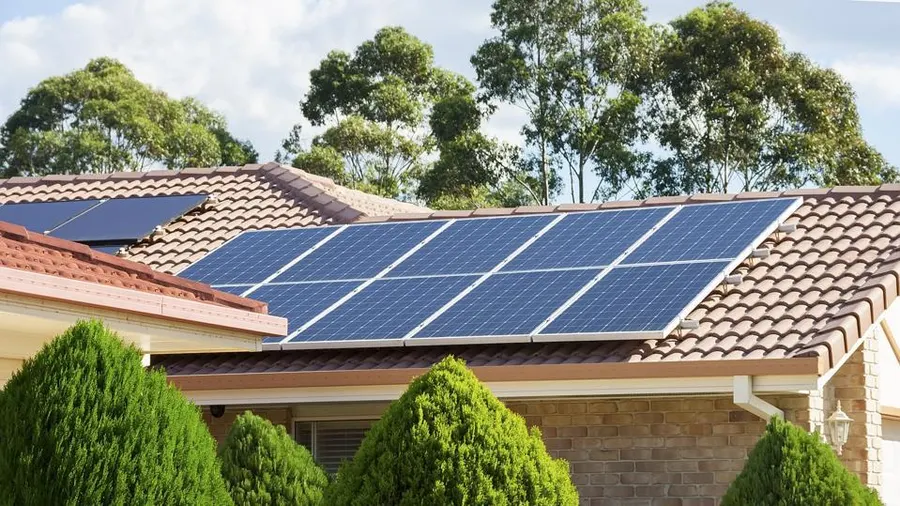
Ground-mounted arrays give installers full control over orientation, tilt, and airflow.
Placement decisions don't happen in a vacuum — the climate a system sits in changes what "optimal" placement actually looks like.
Sunlight hours are the most obvious factor: locations with more average daily sunlight will generate more energy from an identically placed system than cloudier regions, all else being equal. But climate affects efficiency in less obvious ways too. Temperature has an inverse relationship with panel performance — panels actually lose a measurable amount of efficiency as they heat up, even though more sunlight is generally associated with higher temperatures. Mounting panels with a small air gap for ventilation, rather than flush against a hot roof surface, helps dissipate heat and preserve output, and panels rated for high-temperature tolerance perform more consistently in hot regions.
In colder, snow-prone climates, a steeper tilt angle helps snow slide off the panel surface rather than blocking sunlight for days after a storm. Wind and hail resistance also matter in placement decisions — mounting hardware and panel glass ratings should match the severity of local weather, and installers in hurricane- or hail-prone regions typically specify reinforced mounting systems built for those conditions.
Shading and Obstructions
Shading is one of the most underestimated threats to solar efficiency because its impact is disproportionate to its size. Many residential solar systems wire panels together in strings, and depending on the system design, shade falling on even one panel in a string can reduce the output of the entire string — not just the shaded panel itself.
A proper site assessment tracks shading across all four seasons, not just the day of installation. A tree that casts no shadow in July can block significant winter sun once it's bare, and a neighboring structure's shadow shifts throughout the year as the sun's angle changes. Chimneys, vent pipes, satellite dishes, and even future tree growth should all factor into panel layout. Where some shading is unavoidable, technologies like microinverters or power optimizers can limit the impact of a shaded panel to that panel alone, rather than dragging down the whole string.
Roof vs. Ground Mounting: Full Comparison
This table summarizes how roof-mounted and ground-mounted systems compare across the factors that matter most when deciding on placement:
| Placement Factor | 🏠 Roof-Mounted | 🌱 Ground-Mounted |
|---|---|---|
| Orientation Control | Limited to existing roof pitch and direction | Fully adjustable to the ideal compass direction |
| Space Requirements | Uses existing roof — no additional land needed | Requires dedicated, unshaded open ground |
| Installation Cost | Generally lower per watt installed | Higher due to racking, trenching, and wiring runs |
| Maintenance Access | Requires roof access for cleaning and inspection | Easy ground-level access for cleaning and repairs |
| Expandability | Limited by available roof surface area | Easier to add panels if land is available |
| Vandalism / Interference Risk | Lower — elevated and less accessible | Higher — more exposed at ground level |
| Structural Considerations | Depends on roof age, material, and load capacity | Depends on soil conditions and local zoning rules |
| Best Suited For | Homes with unshaded, south-facing roof area | Properties with open land and a poorly oriented roof |
How to Plan Your Solar Panel Placement
A methodical placement process protects the return on your entire solar investment:
Get a Site Assessment:
Have a qualified installer evaluate roof condition, available ground space, orientation options, and structural capacity before committing to a system design.
Map Shading Across All Seasons:
Identify trees, structures, and obstructions that could cast shadows on the array at any point in the year, not just at the time of the site visit.
Choose Roof or Ground Based on Your Property:
Favor roof mounting if you have unshaded, well-oriented roof space; consider ground mounting if your roof is poorly angled or heavily shaded but you have open land available.
Set Orientation and Tilt Together:
Work with your installer to balance orientation, tilt angle, and your household's usage pattern — a system optimized for evening use, for example, may lean west rather than true south.
Plan for Your Climate:
Confirm mounting hardware, panel ventilation, and tilt angle account for local temperature extremes, snow load, and wind or hail exposure.
Compare Multiple Installer Quotes:
Placement recommendations can vary between installers — getting more than one assessment helps confirm you're getting an unbiased read on your property's best configuration.
Who Should Read This Guide?
Homeowners Considering Solar
Anyone evaluating a residential solar quote benefits from understanding how placement affects output, so they can ask installers informed questions and evaluate proposed system designs.
Solar Installers & Contractors
Installers use these same principles daily when designing systems — this guide doubles as a clear framework to walk homeowners through the reasoning behind a proposed layout.
Properties in Challenging Climates
Homeowners in regions with heavy snow, extreme heat, or high wind get outsized value from understanding how climate should shape mounting and tilt decisions.
Conclusion: Placement Is a Decision, Not a Default
Solar panel efficiency isn't only a function of the equipment you buy — it's a function of where and how that equipment is installed. Roof or ground, orientation, tilt angle, climate, and shading all compound together to determine how much electricity your system produces over its lifetime. Treating placement as a deliberate decision, rather than whatever an installer defaults to, is one of the most effective ways to protect the return on a solar investment.
For homeowners ready to move forward, the next step is connecting with an installer who can evaluate your specific property and translate these principles into an actual system design.
Are You a Solar Installer Looking for Qualified Homeowner Leads? Ping Tree Systems' Solar Ping & Post platform connects installers with verified, real-time homeowner leads matched to their service territory. Request a free demo today →
Frequently Asked Questions
Neither is universally better. Roof mounts save ground space and take advantage of an existing structure, making them the practical default for most homes. Ground mounts give installers full control over orientation and tilt angle regardless of roof shape, which can produce more energy per panel when a property has enough open, unshaded land to accommodate the array. The right choice depends on your roof's orientation, condition, and available yard space.
In the Northern Hemisphere, true south-facing panels typically capture the most sunlight across a full year. That said, east-facing panels perform well for morning-heavy energy use and west-facing panels suit evening-heavy use, so the "best" direction can shift slightly depending on your household's actual consumption pattern rather than raw annual output alone.
Yes. A tilt angle close to your site's latitude generally maximizes annual energy production by keeping the panel more directly perpendicular to the sun across the seasons. In colder, snow-prone climates, a steeper angle also helps panels shed snow naturally rather than losing output under an accumulated layer, so tilt should be tuned to both your location and local weather patterns rather than left at a generic default.
Shading can have an outsized impact. Depending on how panels are wired together, even partial shade falling on one panel in a string can disproportionately reduce output across the entire string, not just the shaded panel itself. This is why a proper shading assessment across all four seasons — accounting for tree growth and shifting shadows — is one of the most important steps before finalizing panel placement.
Solar panels still generate electricity in hot climates and generally benefit from abundant sunlight hours, but efficiency actually declines as the panel itself heats up. Mounting with adequate airflow underneath, choosing panels rated for high-temperature tolerance, and avoiding installations flush against very hot roofing material all help offset this efficiency loss in warmer regions.
Look for a licensed, locally experienced installer who will physically evaluate your roof condition, shading, orientation, and local permitting requirements rather than proposing a design sight unseen. It's worth comparing quotes and proposed system layouts from more than one installer, since placement recommendations — and the resulting output estimates — can vary meaningfully between companies. You can explore options and request a demo at pingtreesystems.com/contact.