Health insurance is a crowded, trust-driven category. Shoppers are comparing near-identical plans across a dozen tabs, and the providers who win aren't necessarily offering the cheapest premium — they're the ones who show up first, explain things clearly, and feel credible. That's what creative marketing does: it turns a commodity product into a brand people choose.
This guide walks through seven strategies health insurance companies are actually using to differentiate themselves in 2026, how to decide which ones fit your business, and a side-by-side comparison to help you prioritize where to invest first.
Key Takeaway: The strongest health insurance marketing programs rarely rely on one channel. Owned channels like content and SEO build long-term, low-cost trust, while influencer partnerships, video, and paid lead generation fill the pipeline while that organic growth compounds.
Key Facts About Health Insurance Marketing
"People don't buy health insurance because they understand it — they buy it because they trust whoever explained it to them. Marketing is how you become that trusted explainer." — Health insurance marketing perspective
7 Creative Marketing Strategies That Work
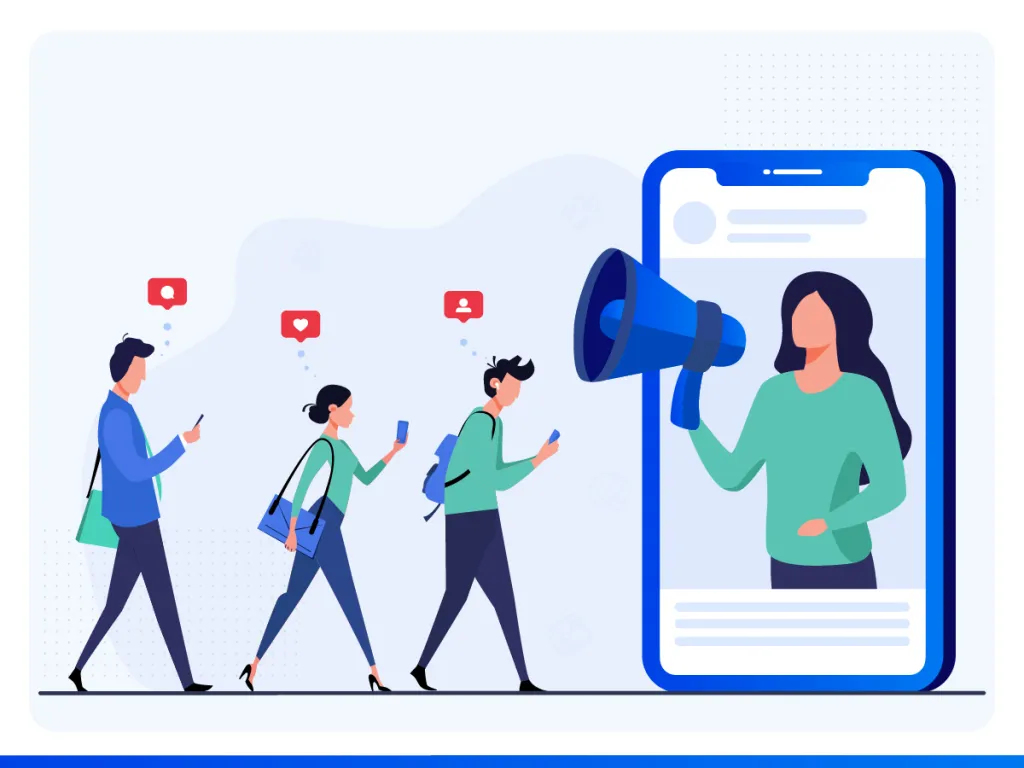
Influencer and affiliate partnerships help insurers borrow trust that's already been built with an engaged audience.
Influencer and Affiliate Marketing:
Partnering with influencers in health, fitness, or personal finance niches lets insurers reach engaged audiences through content already trusted by that community — reviews, testimonials, and explainer videos. Affiliate programs extend this further, letting bloggers, financial advisors, and health professionals earn commissions for qualified referrals.
Content Marketing and Education:
Blog posts, explainer videos, downloadable guides, and webinars position a company as a trusted resource rather than just another seller. This is one of the most durable strategies — it compounds through SEO and keeps generating leads long after the content is published.
Search Engine Optimization (SEO):
Optimizing site content, plan pages, and local listings for the exact questions shoppers search — "best health insurance for freelancers," "affordable family health plans near me" — captures high-intent traffic without ongoing ad spend.
Video and Explainer Content:
Short-form video demystifying deductibles, copays, and network types performs especially well on social platforms, where complex insurance jargon otherwise creates drop-off.
Community and Local Outreach:
Sponsoring local health fairs, partnering with community clinics, or running localized social campaigns builds face-to-face trust that's hard to replicate online, especially for regional or state-specific plans.
Personalized Email and Retargeting:
Segmented email sequences based on where a shopper is in their decision journey — comparing plans, near renewal, recently declined — keep a brand top of mind without feeling like spam.
Real-Time Lead Generation Partnerships:
Working with a lead distribution platform supplies verified, high-intent shoppers directly into a sales pipeline, complementing slower-building owned channels with immediate volume.
Watch Out: Chasing every channel at once usually dilutes results. Pick two or three strategies that match your budget and sales capacity, measure them properly, and expand from there rather than spreading thin across all seven simultaneously.

Educational content — guides, blog posts, and webinars — builds trust while capturing organic search traffic over time.
Which Strategy Fits Your Goals?
The right combination depends on your timeline, budget, and how much of the buyer journey you want to own versus outsource:
Need Leads Fast
Real-time lead generation partnerships and paid influencer placements deliver visibility and volume immediately, without waiting for organic channels to mature.
Building for the Long Term
Content marketing and SEO compound over months and years, producing consistently lower-cost leads once the foundation is in place.
Building Local Trust
Community outreach and local partnerships work especially well for regional insurers or agents selling state-specific plans.
Nurturing Warm Leads
Personalized email and retargeting keep shoppers engaged through a longer decision cycle instead of losing them after the first visit.
Strategy Comparison Chart
Here's how the seven strategies compare on cost, speed, and best-fit use case:
| Strategy | Cost & Speed | ✅ Best For |
|---|---|---|
| Influencer & Affiliate Marketing | Moderate cost · fast visibility | Borrowing trust from an already-engaged niche audience |
| Content Marketing & Education | Low ongoing cost · slow to build | Long-term organic traffic and thought leadership |
| SEO | Low ongoing cost · 6–12 months to compound | Capturing high-intent search traffic without ad spend |
| Video & Explainer Content | Moderate cost · fast engagement | Simplifying complex plan details on social platforms |
| Community & Local Outreach | Low-moderate cost · builds gradually | Regional insurers and state-specific plans |
| Personalized Email & Retargeting | Low cost · ongoing | Nurturing shoppers through a longer decision cycle |
| Real-Time Lead Generation | Pay-per-lead · immediate | Filling pipeline gaps while owned channels ramp up |
Why Pair Owned Marketing with a Lead Generation Platform
Content, SEO, and community outreach build a brand's long-term equity, but they take time to compound. Pairing owned channels with a real-time lead distribution platform means a company doesn't have to choose between long-term brand building and short-term pipeline — verified, high-intent shoppers can keep sales teams busy while organic channels mature in the background.
How to Build Your Marketing Mix, Step by Step
Audit Your Current Channels:
Identify what's already working — even a single blog post or referral source that converts is worth doubling down on before adding new channels.
Pick Two or Three Strategies to Start:
Choose based on budget and timeline — for example, content marketing plus a lead generation partnership to balance long-term and short-term results.
Create Content That Educates First:
Blog posts, guides, and videos that answer real shopper questions build trust faster than overtly promotional content.
Vet Influencer and Affiliate Partners Carefully:
Confirm their audience actually overlaps with your target demographic before committing budget.
Segment Your Email List:
Separate shoppers by where they are in the decision journey so messaging feels timely rather than generic.
Track Cost Per Lead by Channel:
Measure each strategy independently so you can shift budget toward what's actually converting rather than what feels most active.
Conclusion: Differentiation Comes From the Marketing, Not Just the Plan
Health insurance products are often more similar than different — what sets providers apart is how clearly and credibly they communicate. Influencer partnerships, content and SEO, video, community outreach, email nurturing, and real-time lead generation each solve a different part of that problem, from building initial trust to closing the final sale.
The providers who win aren't necessarily using every strategy — they're using the right two or three well, and measuring results closely enough to know when to double down.
Looking to Fill Your Pipeline While Your Content Strategy Builds? Ping Tree Systems' Health Insurance Ping & Post platform connects you with verified, real-time health insurance shoppers matched to your criteria. Request a free demo today →
Frequently Asked Questions
There isn't a single best strategy — the strongest results usually come from combining content marketing and SEO for long-term organic growth with paid or influencer channels for faster visibility. The right mix depends on your budget, target audience, and how quickly you need leads.
Budgets vary widely by company size and goals, but many insurers allocate a meaningful share of revenue to marketing, split between content and SEO, paid acquisition, influencer or affiliate partnerships, and lead generation platforms. Starting with a smaller test budget across two or three channels and scaling what performs is a common approach.
Yes, when done with the right partners. Influencers in health, fitness, or personal finance niches can build trust with audiences who are already receptive to insurance-related content, though results depend heavily on choosing influencers whose audience matches your target demographic.
Content marketing and SEO are typically slower to show results than paid channels, often taking several months to a year to build meaningful organic traffic, but they tend to produce more sustainable, lower-cost leads over time compared to strategies that stop generating leads once spending stops.
Many successful insurers do both. Owned marketing channels like content and SEO build long-term brand equity, while a real-time lead generation and distribution platform can supplement pipeline with verified, high-intent shoppers immediately, especially useful while owned channels are still ramping up.