Installing solar panels is one of the smartest investments homeowners can make to reduce electricity bills and increase long-term energy savings. With rising utility costs and growing interest in renewable energy, more families are turning to solar power as a sustainable solution for their homes. However, while solar technology offers excellent financial and environmental benefits, poor planning and installation mistakes can reduce efficiency and create expensive long-term problems.
Many homeowners rush into solar installation without fully understanding how system sizing, roof condition, panel placement, and equipment quality affect overall performance. A poorly designed system may generate lower energy output, require frequent maintenance, or fail to deliver the expected return on investment. This often leads to frustration, additional repair costs, and reduced energy savings over time.
⚡ Choosing the Wrong Solar System Size
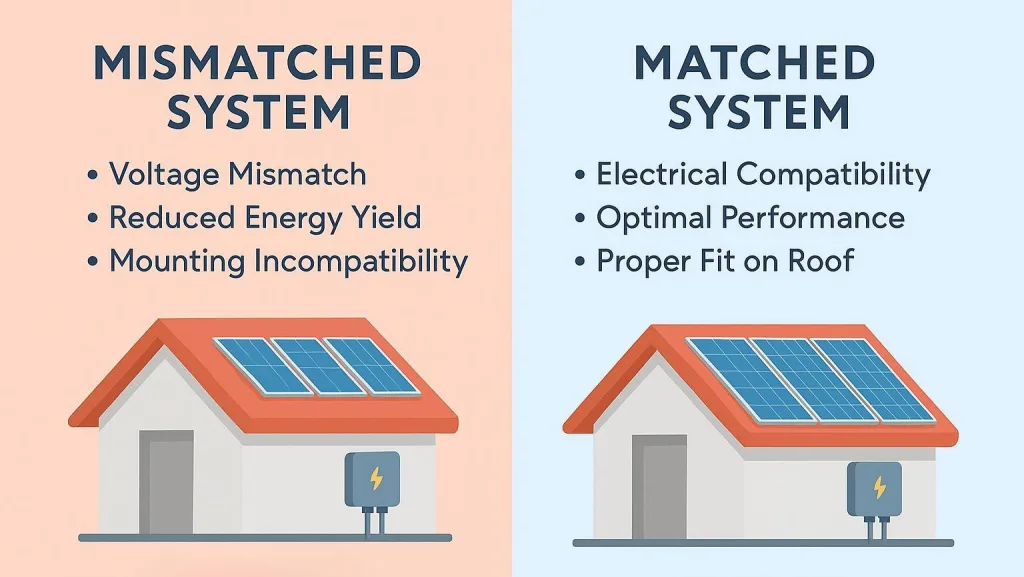
One of the most common mistakes homeowners make is installing the wrong solar system size. Some systems are too small to handle household energy usage, while others are oversized and unnecessarily expensive. Both situations reduce cost-efficiency and impact long-term savings.
Solar system sizing should always be based on actual electricity usage, future energy needs, roof space availability, and local weather conditions. For example, homeowners planning to buy electric vehicles or add high-energy appliances in the future should account for increased power consumption before finalizing installation.
A well-designed system should balance efficiency and cost-effectiveness. Consulting professionals and using accurate data ensures that your solar setup is optimized for performance. This helps you maximize energy savings and avoid underperformance issues.
Working with qualified solar professionals helps ensure accurate energy analysis and better system performance. Modern platforms powered by Ping Post Software help providers match homeowners with customized solar solutions based on their energy requirements and property conditions.
Common sizing mistakes:
- Installing undersized systems
- Choosing oversized setups
- Ignoring future energy needs
- Poor electricity usage analysis
🏚️ Ignoring Roof Condition and Sunlight Exposure
Your roof condition directly affects the efficiency and safety of your solar installation. Installing solar panels on an old or damaged roof can create structural problems later, forcing homeowners to remove panels for expensive repairs or roof replacement. Many people skip proper roof inspections to save time, but this often creates bigger costs in the future.
Sunlight exposure is equally important for maximizing energy production. Roof direction, tilt angle, nearby trees, and surrounding buildings all influence how much sunlight reaches the solar panels throughout the day. Poor positioning can significantly reduce system output and lower overall savings.
Before installation, it is essential to inspect the roof for durability and ensure it can support the system. Addressing repairs beforehand prevents costly issues later. Proper positioning maximizes sunlight absorption and improves overall system efficiency.
Before installation begins, homeowners should inspect roof durability and evaluate sunlight exposure carefully. Platforms like Solar Leads Generation Platform help connect users with solar experts who can recommend ideal panel placement and roof preparation strategies.
Roof-related mistakes:
- 🏚️ Weak Roof Structure
- 📐 Incorrect Panel Angle
- 🌳 Tree shading issues
- 🧭 Poor sunlight exposure
🔋 Buying Cheap Solar Equipment
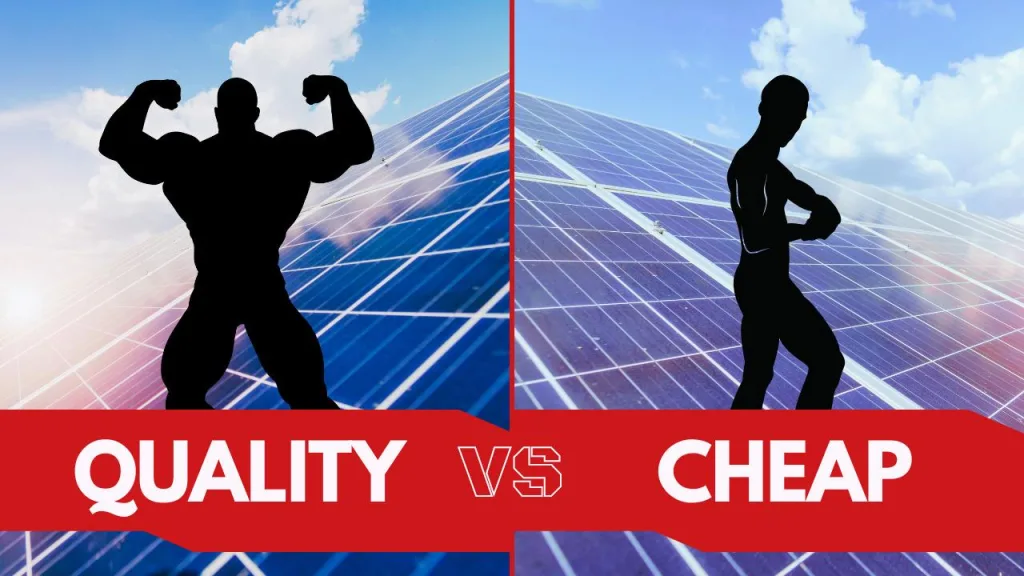
Choosing low-cost solar panels or inverters may seem like a smart way to save money initially, but poor-quality equipment often creates serious long-term problems. Cheap panels usually provide lower efficiency, shorter lifespans, and weaker warranties compared to premium products. Over time, maintenance costs and reduced performance can outweigh the initial savings.
Reliable solar systems depend heavily on durable equipment that can withstand weather conditions and maintain strong energy production for many years. Investing in trusted brands and certified components improves system reliability, reduces repair risks, and increases long-term return on investment.
Reliable equipment also reduces the risk of system failure and improves overall return on investment. Choosing trusted brands and certified products is essential for a successful solar installation.
Technology-driven systems like Ping Tree Systems demonstrate how optimized decision-making improves efficiency and long-term results across complex processes, including solar solution management.
Equipment mistakes to Mistakes:
- 🔋 Cheap Solar Panels
- ⚡ Low-quality Inverter
- ⏳ Short Lifespan Products
- 💸 High Maintenance Costs
👷 Hiring Inexperienced Solar Installers
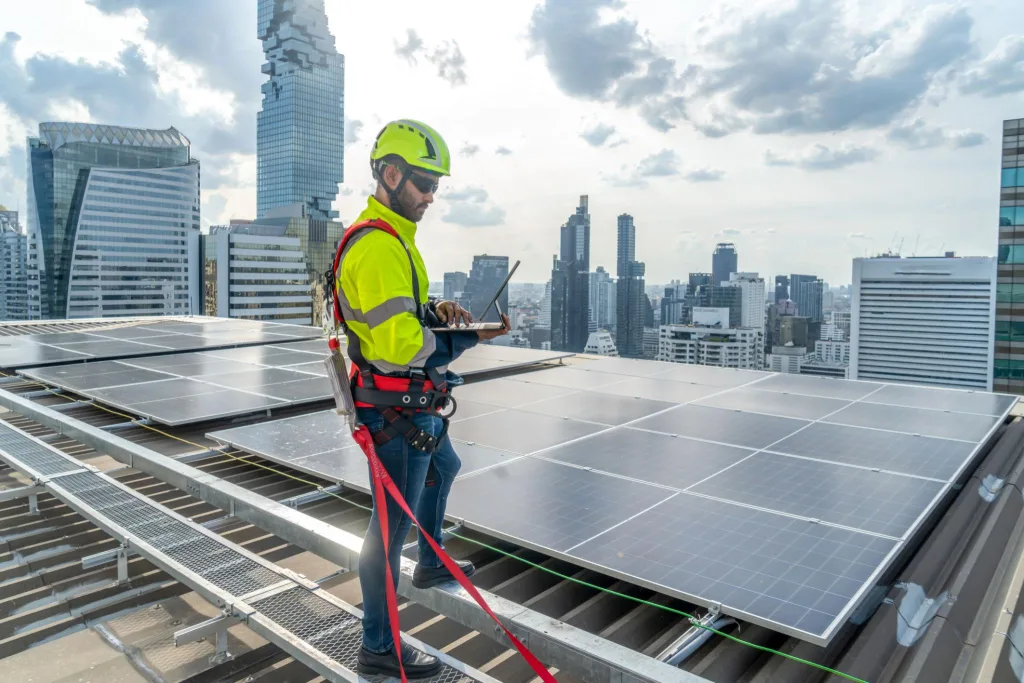
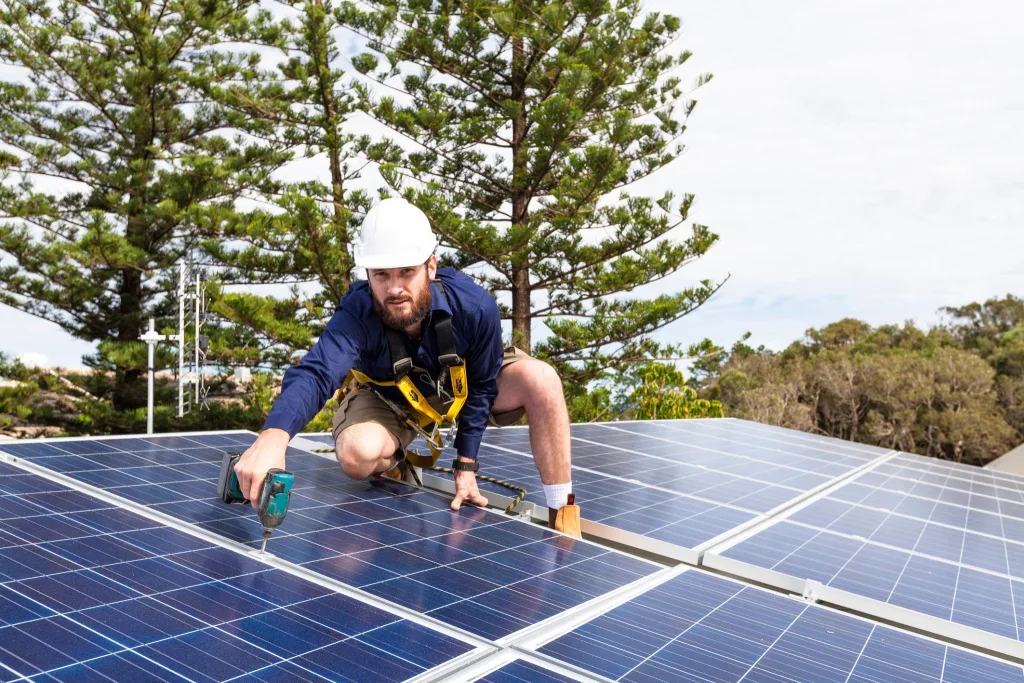
Even high-quality solar equipment can perform poorly if installation is done incorrectly. Improper wiring, poor mounting, and incorrect system configuration reduce efficiency and may create safety hazards. Many homeowners choose cheaper installers without verifying certifications or experience, which often leads to expensive corrections later.
Experienced solar installers understand local regulations, electrical safety standards, and proper panel placement techniques. Certified professionals also provide warranties and long-term support, helping homeowners protect their investment and avoid operational problems.
Professional installation ensures that the system is correctly configured, safe, and compliant with local regulations. Certified installers follow best practices and provide warranties that protect your investment.
Platforms powered by Lead Distribution Systems help improve service matching and connect homeowners with reliable installation providers more efficiently.
Installation Mistakes:
- 🔌 Incorrect Wiring
- 🧱 Poor mounting methods
- 👷 Lack of technical expertise
- ⚠️ Ignoring safety standards
🧼 Skipping Maintenance and System Monitoring
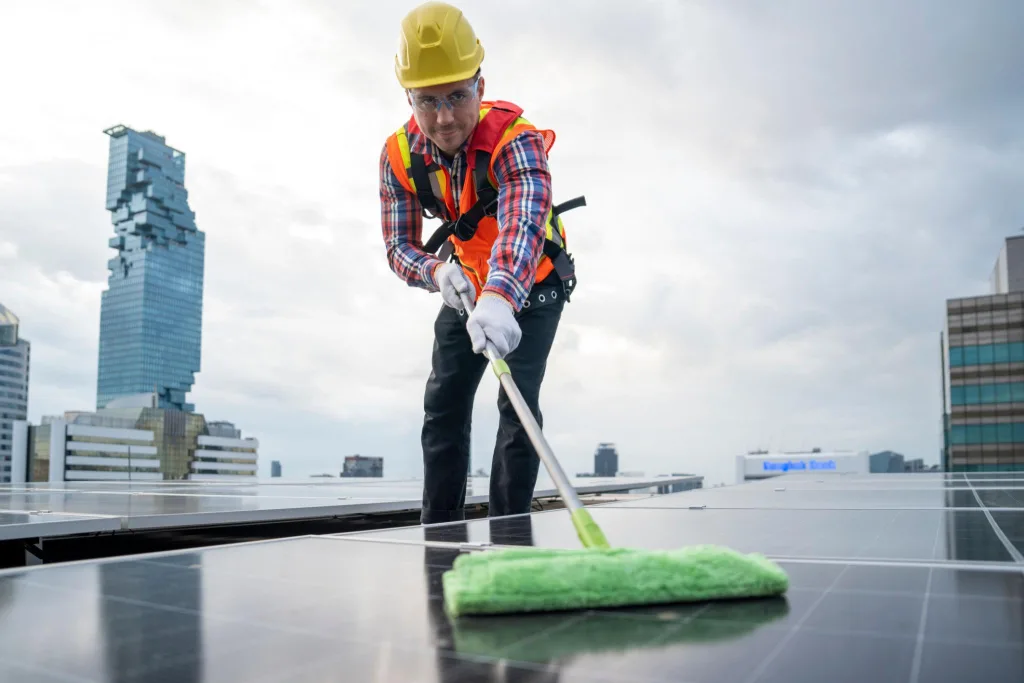
Many homeowners believe solar systems require no maintenance after installation, but regular cleaning and monitoring are essential for maintaining high performance. Dust, leaves, bird droppings, and environmental debris can block sunlight and gradually reduce energy production over time.
Routine inspections help identify small issues before they become expensive repairs. Monitoring systems also allow homeowners to track energy output and quickly detect performance drops. Preventive maintenance improves system lifespan and helps maximize long-term energy savings.
Monitoring systems help track performance and detect issues early. Routine inspections ensure that the system continues to operate at peak efficiency and delivers expected savings.
Using organized maintenance strategies and modern monitoring solutions improves efficiency significantly and ensures consistent solar performance throughout the system’s lifetime.
Maintenance Mistakes:
- 🧼 Ignoring panel cleaning
- 📊 Ignoring System Monitoring
- ⏳ Delayed Repairs
- 📉 Reduced system efficiency
❓ FAQ – Solar Installation Questions Homeowners Ask
How long do solar panels usually last?
Most high-quality solar panels last between 25–30 years with proper maintenance and regular monitoring.
Can solar panels still work during cloudy weather?
Yes, solar panels still generate electricity on cloudy days, although energy production may be lower than during direct sunlight.
Is roof inspection necessary before installing solar panels?
Yes. Roof inspections help identify structural problems and ensure the roof can safely support the solar system long term.
How often should solar panels be cleaned?
Solar panels should generally be cleaned every few months depending on weather conditions, dust levels, and surrounding trees.
Does installer experience really matter?
Absolutely. Professional installation directly impacts system efficiency, safety, durability, and long-term performance.
What happens if I install the wrong system size?
An undersized system may not meet your energy needs, while an oversized setup can increase unnecessary installation costs.
Can low-quality solar panels reduce savings?
Yes. Cheap panels often generate less power, require more maintenance, and may fail earlier than premium products.
Do solar systems require regular monitoring?
Yes. Monitoring helps detect performance issues early and ensures the system operates efficiently over time.
Conclusion: Plan Smart for Maximum Solar Benefits
Solar energy can provide significant long-term savings and environmental benefits when installed correctly. However, avoiding common mistakes such as poor system sizing, low-quality equipment, weak roof preparation, and inexperienced installers is essential for achieving the best results. Careful planning and informed decisions help homeowners maximize efficiency and reduce future repair costs.