

Most businesses focus heavily on generating more leads, but far fewer focus on what happens after the lead enters the system. That’s where many sales opportunities quietly disappear. A company may spend thousands of dollars on ads, SEO, landing pages, and campaigns — only to lose valuable prospects because the lead was routed slowly, assigned incorrectly, or ignored entirely.
In today’s competitive market, response speed and lead handling matter just as much as lead generation itself. Consumers expect immediate communication, especially in industries like insurance, finance, legal, mortgage, and home improvement. If a business fails to respond quickly, another competitor usually captures the opportunity first.
Why Poor Lead Handling Damages Conversion Rates
A lead has the highest conversion potential immediately after it is generated. That initial interest window is extremely short, especially online where consumers are comparing multiple providers at the same time. Delayed responses often result in lost trust, lower engagement, and missed sales opportunities.
Many businesses still rely on outdated lead assignment processes like spreadsheets, manual routing, or simple round-robin systems. While these methods may work temporarily, they become inefficient as lead volume grows. Sales teams become overwhelmed, response times increase, and qualified leads fall through the cracks.
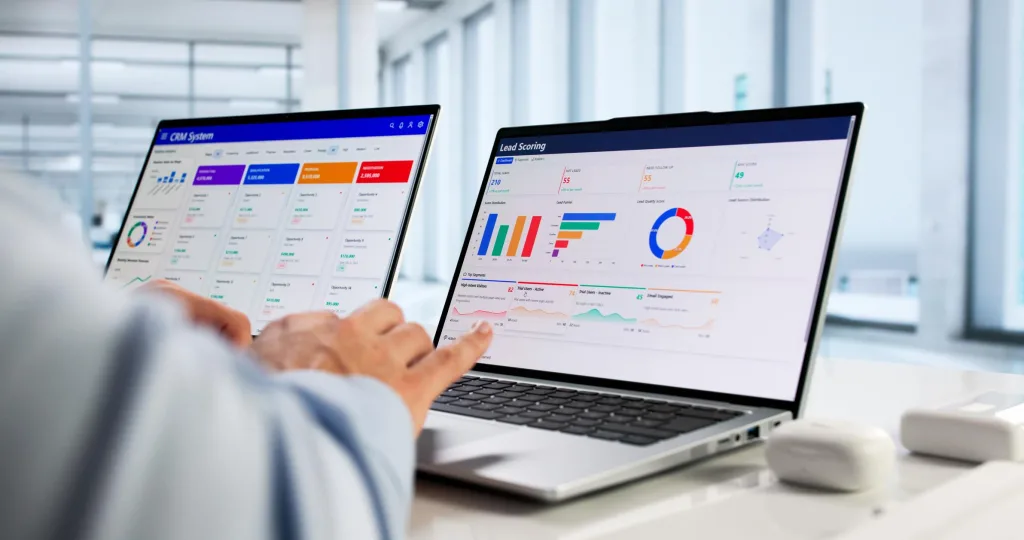
Common lead handling problems include:
- Slow lead response times
- Incorrect lead assignment
- Unbalanced sales workloads
- Missed follow-ups
- Poor lead qualification
Smart Lead Distribution Improves Sales Efficiency
Modern lead distribution systems are designed to do much more than simply assign leads randomly. Intelligent routing platforms evaluate multiple factors before determining the best destination for each inquiry. This creates faster responses, better customer experiences, and stronger conversion performance.
Instead of sending every lead to the next available representative, businesses can automatically route inquiries based on specialization, geographic targeting, lead score, or agent availability. This ensures prospects are connected with the most appropriate sales professional immediately.
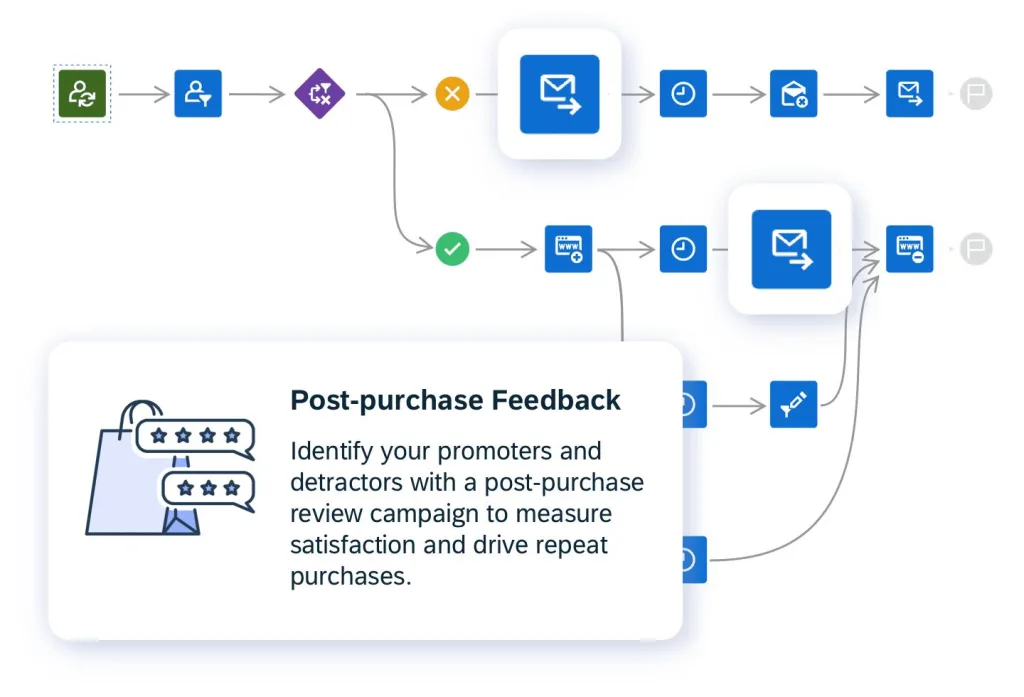
Important routing filters may include:
- Geographic location
- Product specialization
- Lead source
- Agent availability
- Lead qualification score
Faster Response Times Increase Conversion Potential
Consumers today expect instant communication. Whether someone is requesting an insurance quote, mortgage consultation, or legal inquiry, they usually contact several businesses within minutes. The company that responds first often gains a major advantage in the sales process.
Real-time lead routing allows businesses to respond immediately while customer intent is still high. Automated systems can distribute inquiries instantly without waiting for manual review or delayed assignment processes. This dramatically improves the chances of successful engagement.

Important response optimization strategies include:
- Instant lead delivery
- Automated notifications
- Real-time routing workflows
- CRM integration
- Mobile sales alerts
Better Lead Matching Creates Better Customer Experiences
Customers become frustrated when they are transferred repeatedly between departments or connected with representatives who lack the right expertise. Poor lead matching creates confusion, slows the sales process, and damages trust before meaningful conversations even begin.
Smart lead distribution systems solve this problem by connecting prospects directly with professionals best suited to handle their specific needs. This creates more personalized interactions and helps businesses appear faster, more organized, and more professional.
Technology powered by intelligent routing systems also improves internal efficiency because sales teams spend less time sorting leads manually and more time building customer relationships.
Important customer experience improvements may include:
- Personalized lead matching
- Faster communication
- Better sales conversations
- Reduced customer frustration
- Improved follow-up consistency
Scalable Automation Helps Businesses Grow Faster
As businesses grow, manual lead management quickly becomes difficult to maintain. Higher lead volume creates more operational complexity, greater risk of missed opportunities, and increasing pressure on sales teams. Without automation, scaling efficiently becomes extremely challenging.
Modern lead distribution systems help businesses manage growth more effectively by automating lead handling processes while maintaining speed and organization. Automated routing improves operational consistency and allows businesses to scale without dramatically increasing administrative workload.
A stronger lead management strategy should focus on:
- Faster lead response
- Smarter lead routing
- Automated follow-ups
- Better sales efficiency
- Improved conversion tracking
FAQ – Lead Distribution System Questions
What is lead distribution software?
Lead distribution software automatically routes leads to the most appropriate sales representative, buyer, or department.
What is ping post?
Ping post is a real-time lead distribution method where limited customer information is first shared with buyers before the full lead is routed to the best match.
Why is lead response time important?
Faster responses increase customer engagement and improve the chances of converting the lead into a sale.
How does smart lead routing improve conversions?
It matches leads with the most qualified sales representative based on skills, availability, and targeting rules.
Why do businesses automate lead distribution?
Automation reduces manual work, improves organization, and prevents qualified leads from being missed.
What industries use lead distribution systems?
Industries like insurance, finance, legal, mortgage, solar, and home improvement commonly use these systems.
Final Thoughts
Generating leads is only part of the growth equation. Businesses that fail to handle leads efficiently often lose valuable opportunities before meaningful conversations even begin. Faster response times, better lead matching, and intelligent automation have become essential for improving modern sales performance.