In today’s competitive health insurance market, generating leads is only the first step. Many agencies invest heavily in advertising campaigns and decide to buy health insurance leads, expecting quick policy conversions. But in reality, most leads do not convert simply because the follow-up process feels generic, delayed, or overly sales-focused.
Modern consumers expect more than just a phone call and a quote. They want clear information, personalized communication, and a company that actually understands their concerns. Whether someone is searching for family coverage, individual plans, or Medicare options, the buying journey usually involves research, comparison, and trust-building before any final decision is made.
Personalized Communication Creates Better Engagement
Most health insurance leads receive repetitive sales messages from multiple agencies. Generic emails and scripted calls usually fail because they do not address the customer’s actual needs or concerns. Consumers quickly lose interest when communication feels automated or impersonal.
Personalized outreach helps agencies stand out in a crowded market. Instead of sending the same message to everyone, businesses should tailor communication based on factors like age, family status, location, or coverage preferences. A young family searching for affordable healthcare has very different priorities compared to a senior exploring Medicare options.

Important personalization strategies may include:
- Customized email messaging
- Location-based communication
- Family coverage recommendations
- Medicare-specific guidance
- Personalized plan suggestions
Multi-Channel Follow-Ups Improve Response Rates
Relying only on phone calls is no longer enough in health insurance marketing. Consumers interact with businesses through multiple channels every day, and agencies that create consistent communication across platforms usually generate stronger engagement.
A smart follow-up sequence may begin with an email, continue through SMS reminders, and later include scheduled phone conversations. This approach keeps the agency visible without overwhelming the customer. It also creates more opportunities for engagement throughout the decision-making process.
Important follow-up channels may include:
- Email communication
- SMS reminders
- Phone consultations
- Retargeting advertisements
- CRM automation workflows

Educational Content Builds Consumer Trust
Health insurance can feel confusing for many consumers, especially when comparing deductibles, premiums, provider networks, and coverage options. Agencies that focus only on selling often miss the opportunity to educate and build trust with potential policyholders.
Providing useful educational content helps businesses position themselves as advisors instead of just sales representatives. Consumers are more likely to engage with companies that simplify complex insurance topics and help them make informed decisions.
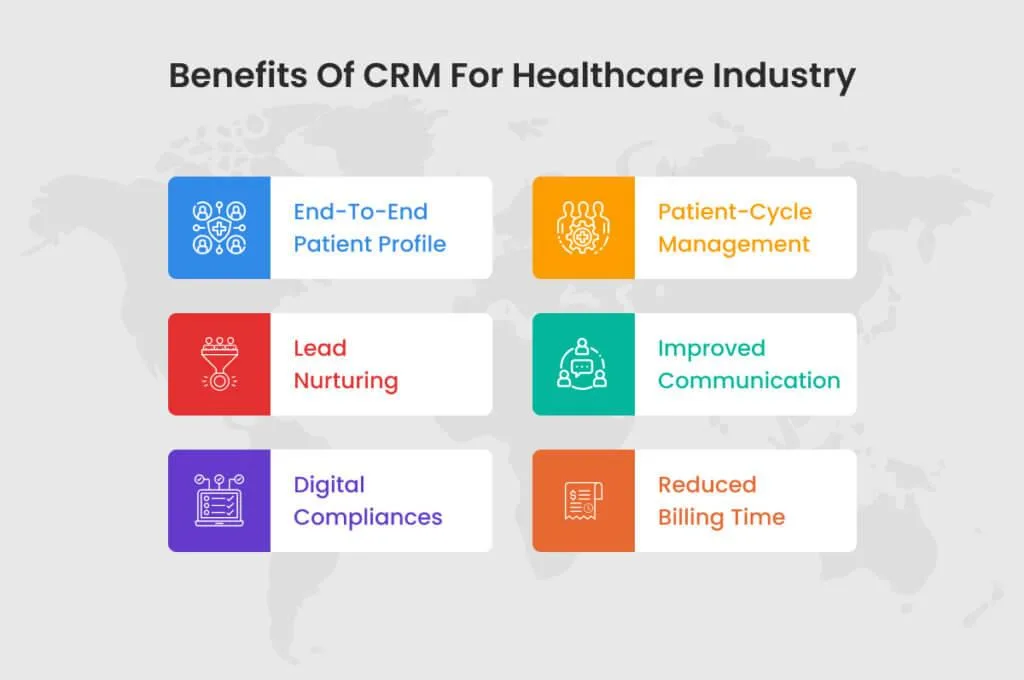
Helpful educational resources may include:
- Health insurance comparison guides
- Coverage explanation videos
- Enrollment webinars
- FAQ articles
- Healthcare cost-saving tips
Strong Engagement Depends on Faster Lead Distribution
Even the best communication strategy fails if leads are routed too slowly. Most consumers requesting health insurance information contact several providers within a short period of time. If an agency delays follow-up, another company often wins the opportunity first.
Important routing filters may include:
- State licensing
- Coverage specialization
- Enrollment type
- Geographic targeting
- Agent availability
Building Relationships Creates Long-Term Insurance Growth
Health insurance sales are rarely built on one interaction alone. Consumers often need multiple touchpoints before they feel comfortable choosing a provider. Businesses that focus only on quick sales frequently miss long-term relationship opportunities.
Strong agencies prioritize trust, responsiveness, and customer education throughout the entire lead nurturing process. This creates stronger loyalty, better customer experiences, and more referrals over time. Long-term growth usually comes from consistently building relationships rather than aggressively pushing immediate sales.
A stronger health insurance engagement strategy should focus on:
- Personalized communication
- Faster response times
- Educational content
- Multi-channel follow-ups
- Real-time lead routing
FAQ – Health Insurance Lead Engagement Questions
Why is lead engagement important in health insurance?
Strong engagement builds trust and improves the chances of converting leads into long-term policyholders.
What is ping post?
Ping post is a real-time lead distribution method where limited customer information is first shared with buyers before the full lead is routed to the best match.
Why do generic insurance follow-ups fail?
Consumers often ignore repetitive sales messaging that lacks personalization or useful information.
How does educational content improve insurance conversions?
Helpful content builds trust and helps consumers understand complex health insurance options more clearly.
Why is response speed important in health insurance?
Most consumers contact multiple agencies quickly, and the first meaningful response often gains an advantage.
How do automated lead distribution systems help agencies?
Automation improves response times, organizes workflows, and routes leads to the right agents faster.
Final Thoughts
Buying health insurance leads is only the beginning. The real success comes from how businesses engage, educate, and nurture those prospects throughout the buying journey. Agencies that focus on trust-building and personalized communication usually generate stronger conversions and long-term customer relationships.