In today’s competitive business environment, generating leads alone is no longer enough to drive sustainable growth. Companies invest heavily in advertising, SEO campaigns, and outbound marketing, yet many still struggle with poor lead handling, slow response times, and inconsistent sales performance. When marketing and sales teams operate separately without structured lead management, valuable opportunities are often lost before conversion even begins.
This is where a modern Lead Distribution Platform becomes essential. Intelligent lead routing systems help businesses organize inquiries, automate workflows, and ensure every lead reaches the right sales representative quickly. Instead of relying on outdated manual assignment methods, companies can create faster and more efficient customer acquisition processes.
Why Marketing and Sales Alignment Matters
Marketing teams focus on generating interest and attracting prospects, while sales teams concentrate on converting those opportunities into customers. When these departments operate without proper coordination, lead quality issues, delayed follow-ups, and communication gaps become common problems.
A structured lead distribution platform helps eliminate these inefficiencies by creating centralized workflows that improve visibility across the entire lead lifecycle. Both teams gain access to organized lead tracking, faster communication, and better performance insights.
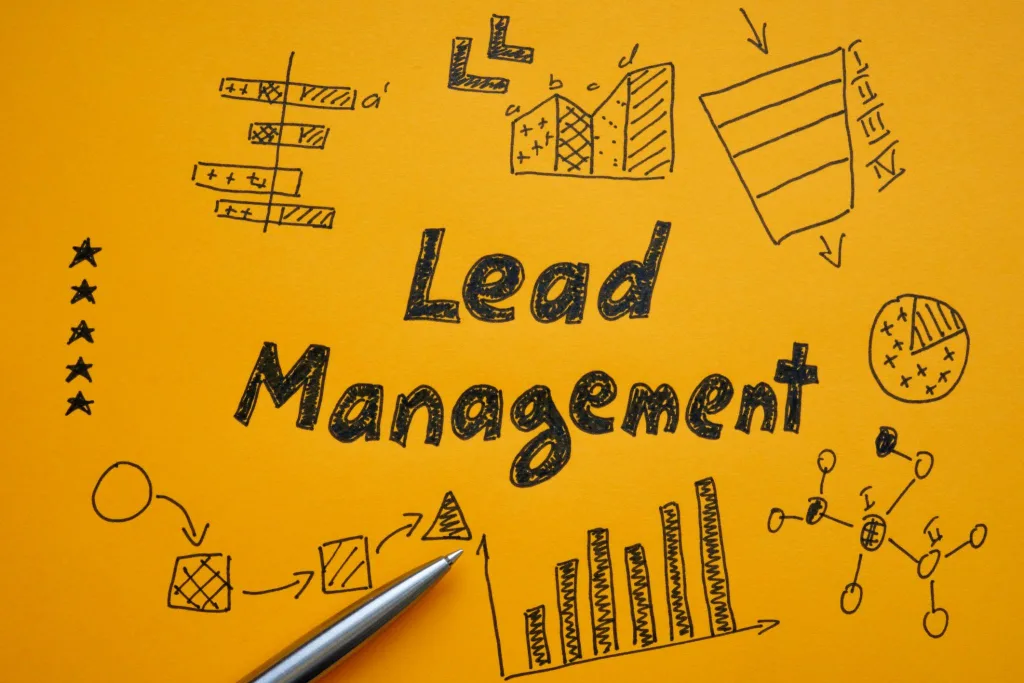
Important alignment benefits may include:
- Faster lead response times
- Better sales coordination
- Improved marketing visibility
- Reduced lead leakage
- Higher conversion efficiency
Intelligent Lead Routing Improves Lead Quality
Not every lead should follow the same path. Some inquiries require specialized expertise, geographic assignment, or priority handling based on qualification factors. Intelligent lead routing ensures that prospects connect with the most appropriate sales representatives immediately.
Using Ping Post Software helps businesses automate routing workflows while improving response speed and communication efficiency.
Important routing advantages may include:
- Real-time lead assignment
- Better representative matching
- Faster customer engagement
- Improved lead qualification
- Automated workflow management

Automation Helps Businesses Scale Efficiently
As businesses grow, managing lead flow manually becomes increasingly difficult. Large inquiry volume often overwhelms sales teams, especially when businesses rely on spreadsheets, email forwarding, or disconnected systems to organize leads.
Automation reduces these challenges by streamlining repetitive tasks and improving workflow consistency. Instead of manually reviewing every inquiry, businesses can use predefined routing rules, automated notifications, and lead prioritization systems to improve operational efficiency.

Technology powered by Ping Tree Systems helps businesses create more scalable lead management systems while improving visibility across sales pipelines.
Important automation features may include:
- Automated lead scoring
- CRM integration workflows
- Smart notification systems
- Centralized lead tracking
- Performance reporting dashboards
Faster Follow-Up Increases Conversion Opportunities
Speed plays a major role in modern lead conversion. Prospects often contact multiple businesses while researching products or services online. Delayed communication significantly reduces the likelihood of engagement because competitors may respond first.
Lead distribution platforms help businesses improve response times by routing inquiries instantly and notifying the appropriate sales teams immediately. Faster communication creates stronger first impressions and improves customer trust during the early stages of the buying process.
Important conversion improvements may include:
- Faster customer response
- Better lead engagement
- Improved communication consistency
- Reduced response delays
- Stronger sales performance

Smarter Lead Management Drives Long-Term Growth
Businesses that align marketing and sales through intelligent lead distribution systems often create stronger long-term growth opportunities. Instead of operating with disconnected workflows, they build unified processes focused on lead quality, faster response, and operational visibility.
Modern lead distribution platforms support scalability by helping businesses organize growing lead volume while improving conversion efficiency across multiple industries and sales channels. Automation also reduces administrative burden, allowing teams to focus more on customer engagement and revenue generation.
A stronger lead management strategy should focus on:
- Intelligent lead routing
- Automated sales workflows
- Faster customer communication
- Better marketing visibility
- Improved conversion tracking
FAQ – Lead Distribution Platform Questions
What is a lead distribution platform?
A lead distribution platform helps businesses automatically assign and route leads to the right sales representatives or departments.
What is ping post?
Ping post is a real-time lead distribution method where limited customer information is first shared with buyers before the full lead is routed to the best match.
Why is marketing and sales alignment important?
Better coordination improves lead handling, response speed, and overall conversion efficiency.
How do lead distribution systems improve conversions?
They ensure leads are routed quickly and accurately to the most suitable representatives.
Why is automation important in lead management?
Automation reduces manual work, improves organization, and supports faster customer engagement.
Which industries use lead distribution platforms?
Industries such as legal, finance, insurance, healthcare, and home services commonly use lead routing systems.
Final Thoughts
Modern businesses need more than lead generation alone to remain competitive. Efficient lead handling, faster communication, and organized sales workflows are now critical for improving customer acquisition and maximizing marketing ROI.