

Most law firms already know how expensive legal marketing has become. Whether it’s Google Ads, SEO campaigns, referral partnerships, or paid lead vendors, firms are investing heavily to attract new clients. The problem is that generating inquiries is only half the battle. Many firms still lose valuable cases because leads are routed slowly, intake systems are outdated, or attorneys receive inquiries that were never a good fit in the first place.
That frustration is becoming more common across the legal industry. Intake teams spend hours calling cold prospects, sorting duplicate inquiries, or manually assigning leads to attorneys. Meanwhile, serious clients often move on to another law firm simply because nobody responded quickly enough. In competitive practice areas like personal injury, criminal defense, and family law, even a small delay can mean losing a high-value case.
Law Firms Are Focusing More on Lead Quality Than Lead Volume
A few years ago, many firms judged marketing success by how many leads they generated each month. That mindset is changing quickly. Firms are realizing that high lead volume means very little if most inquiries never become paying clients. A smaller number of qualified leads often produces far better results than thousands of low-quality form submissions.
This becomes especially important in legal marketing because every practice area has different economics and conversion potential. A serious personal injury case carries very different value compared to a general legal inquiry with little intent to move forward. Modern intake systems now focus heavily on qualification, urgency, and attorney matching instead of simply maximizing lead count.

Important legal lead quality factors include:
- Practice area relevance
- Case urgency
- Geographic eligibility
- Client intent level
- Attorney availability
Faster Intake Response Is Becoming a Competitive Advantage
Think about how people search for lawyers today. Most prospects don’t contact one law firm and patiently wait several days for a callback. They search online, compare reviews, fill out multiple forms, and usually speak with the first firm that responds professionally and quickly. If your intake team responds too slowly, there’s a good chance the client already hired another attorney.
That’s why real-time lead routing is becoming one of the most important trends in legal marketing. A Ping Post Lead Distribution workflow helps firms automatically evaluate and distribute inquiries based on attorney specialization, location, availability, and case type. Instead of manually forwarding emails or spreadsheets, the system routes leads instantly while the prospect is still actively searching for representation.
Automated Intake & CRM Workflows Are Replacing Manual Processes
Many law firms still rely heavily on manual intake systems where staff members review forms, assign attorneys, and follow up with prospects one at a time. That process becomes difficult to manage as inquiry volume increases. Leads slip through the cracks, response times slow down, and intake teams become overwhelmed during busy periods.
Modern firms are now using automation to streamline the entire intake journey. Intelligent workflows can organize inquiries, score lead quality, trigger follow-ups, and route prospects to the appropriate legal team automatically. This creates a much smoother experience for both the client and the law firm while reducing administrative pressure on intake staff.
Important automation capabilities include:
- Real-time lead scoring
- Automated follow-ups
- Attorney assignment rules
- Practice-area routing
- CRM workflow tracking

Firms Are Becoming More Strategic About Lead Distribution
Not every attorney should receive every lead. Some lawyers focus only on certain practice areas, while others may already have overloaded caseloads or geographic limitations. Sending mismatched leads to the wrong attorney wastes time and creates poor client experiences.
Technology powered by Ping Tree Systems helps firms create more intelligent lead distribution workflows based on attorney specialization, availability, and business priorities. Instead of relying on manual assignment decisions, firms can automate routing logic that aligns inquiries with the attorneys most likely to convert them successfully.
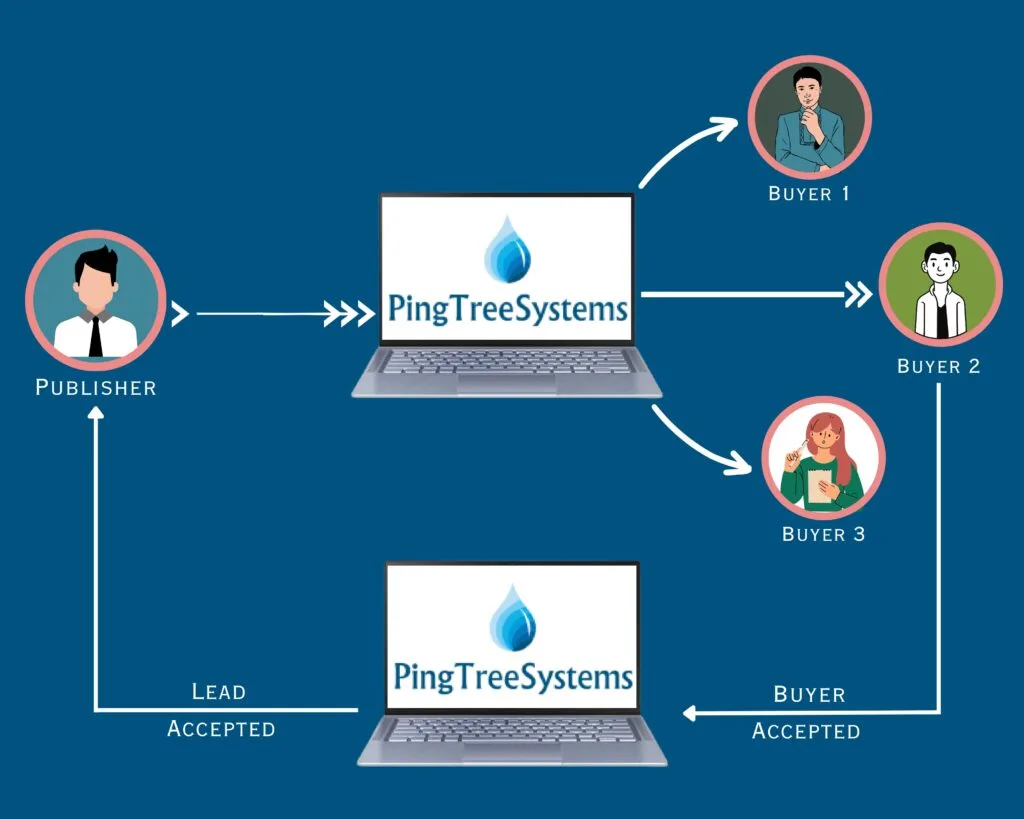
Important lead routing filters may include:
- Practice area specialization
- Attorney availability
- Geographic targeting
- Case value thresholds
- Language preferences
The Legal Industry Is Moving Toward Smarter Growth Systems
The legal industry is becoming more digital every year, and firms that continue relying on outdated intake systems are starting to feel the pressure. Prospects expect fast communication, smoother intake experiences, and quicker attorney connections. Firms that cannot deliver that experience consistently often struggle with lower conversion rates and rising acquisition costs.
Smarter lead distribution systems help firms scale more efficiently by improving intake speed, reducing administrative workload, and creating stronger client experiences. Instead of focusing only on generating more traffic, successful firms are now investing in systems that help them convert a higher percentage of the leads they already receive.
A stronger legal lead strategy should focus on:
- Faster intake response
- Better attorney matching
- Automated workflows
- Improved lead qualification
- Higher consultation conversions
FAQ – Legal Lead Distribution Questions
What is legal lead distribution?
Legal lead distribution is the process of routing inquiries to the most appropriate attorney or law firm based on specific qualification rules.
What is ping post?
Ping post is a real-time lead distribution method where limited customer information is first shared with buyers before the full lead is routed to the best match.
Why is response speed important for law firms?
Most legal prospects contact multiple firms quickly, and the first professional response often improves consultation opportunities.
Why are automated intake systems becoming popular?
Automation helps firms reduce manual workload, improve response times, and organize leads more efficiently.
What factors improve legal lead quality?
Practice area relevance, urgency, geographic location, and client intent all impact lead quality.
How do lead routing systems help law firms grow?
They improve attorney matching, reduce lead waste, and help firms convert more inquiries into paying clients.
Final Thoughts
Legal marketing is no longer just about generating more leads. Law firms now need smarter intake systems, faster response times, and more organized lead routing processes to stay competitive in a digital-first market.