Capturing a home insurance lead is only half the battle. The agents and carriers who consistently win in this market understand one truth: most leads don't convert on first contact. They convert through relationship — built touchpoint by touchpoint, with personalized, relevant communication that addresses the buyer's exact situation.
In a category where every competitor offers similar coverage and comparable premiums, the differentiator isn't your product — it's the experience you create during the buying journey. Personalized follow-up transforms a cold inquiry into a trusted relationship, and a trusted relationship converts into a signed policy.
This guide walks through every phase of a high-performance home insurance lead nurture strategy — from the first-response window to long-cycle automation, value-driven content, and objection handling — showing how Ping Tree Systems' Lead Distribution Software and Ping Post technology power each step.
The 5-Minute Rule: Win With the First Response
Research from the Harvard Business Review shows that leads contacted within 5 minutes of their inquiry are 100× more likely to connect than those reached after 30 minutes. In home insurance, where a prospect has often just completed a quote comparison across 4–5 providers simultaneously, the agent who responds first and most personally wins the relationship.
This is where Ping Post Lead Distribution becomes your competitive edge. The moment a home insurance inquiry is submitted, Ping Post technology routes it in real time to the best-matched agent — no manual review, no batch processing, no delay. Your team gets the lead while the prospect is still engaged.
Use Their Name & Situation
Never open with a generic greeting. Reference the lead's name, the property type they mentioned, and the coverage concern they expressed. A message that says "Hi Sarah — I saw you're looking for coverage on your newly purchased colonial in Hartford" is infinitely more engaging than "Thanks for your inquiry."
Choose the Right Channel First
If the lead came via a mobile web form, text first — mobile users respond to SMS at 98% open rates vs. 20% for email. Follow up with a call within the same session. If via desktop form, call first, then email. Ping Post data gives you the source context to make this decision automatically.
Deliver Value in Message #1
Your opening message shouldn't be a sales pitch — it should be a genuine offer of help. Share a quick insight ("homes in your ZIP code saw a 12% spike in storm claims last year") that demonstrates expertise and immediately makes the prospect feel that contacting you was the right decision.
Automate the Speed Layer
Use your CRM to trigger an automated personalized email within 60 seconds of lead submission — ahead of even the agent call. This email should acknowledge the inquiry by name, confirm that a specialist will be in touch shortly, and include one piece of immediately useful content tailored to the lead's stated need.
💬 Sample First-Touch SMS:
"Hi [First Name], this is [Agent Name] from [Agency]. I saw you're looking for home insurance for your property at [City/Area] — great timing, I just helped a similar homeowner save $340/year last week. I have 3 tailored options ready. Are you free for a quick 5-minute call today?"
Deep Discovery: Understand Before You Pitch
The biggest mistake home insurance agents make in follow-up is pitching before listening. A lead who feels heard is dramatically more likely to continue the conversation — and ultimately purchase. Before presenting any coverage options, invest time in genuine discovery.
Structure your discovery conversation around three pillars: motivation (why are they shopping now?), priorities (what matters most — price, coverage breadth, claims speed, bundling?), and concerns (what risks keep them up at night — flood, theft, liability?). Every follow-up touchpoint after this call should be calibrated around what you learn here.
- Ask about their property's age and construction type — older homes often need specialized endorsements that competitors may miss, giving you a natural value differentiator.
- Understand their current coverage situation — are they switching providers, adding new coverage, or insuring for the first time? Each scenario calls for a different follow-up tone and cadence.
- Identify lifestyle risk factors: do they have a home-based business, rental unit, pool, trampoline, or high-value collectibles? These details allow you to build a proposal competitors simply can't match for relevance.
- Use your Lead Distribution System to log all discovery notes in the lead record so every subsequent touchpoint — whether by the same agent or an escalation — maintains full context.
💡 Ping Tree Tip: When your LDS routes a lead to a specialist, it should pass along all source data and behavioral signals — what page they came from, what coverage options they viewed, what form fields they completed. This contextual intelligence lets your agent walk into every discovery call already informed, making personalization effortless.
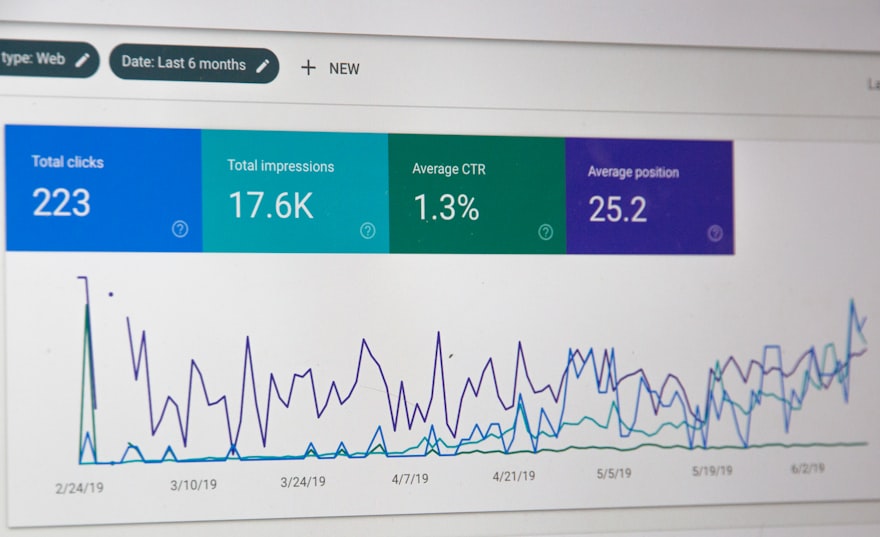
Understanding each prospect's unique situation — before presenting a quote — dramatically increases close rates and policy longevity.
Crafting a Personalized Insurance Proposal That Closes
A generic quote document is a conversion killer. When a home insurance prospect receives a proposal that mirrors exactly what they told you they needed — with line items that reflect their specific property, risk profile, and budget — conversion rates climb dramatically. Personalization at the proposal stage signals that you've been paying attention, and trust follows attention.
Lead With Their Priority
Structure the proposal around the #1 concern the lead expressed. If they mentioned flood risk, open with your flood coverage terms. If they prioritized claims speed, lead with your average claim resolution time. Make their priority your headline — not your company's branding.
Present Three Tiered Options
Always offer Good / Better / Best coverage tiers calibrated to their budget and risk level. This anchoring technique naturally moves buyers toward the middle option — typically your most profitable package — while respecting their stated price sensitivity.
Show the Protection Gap
If the lead is switching from a current provider, include a brief gap analysis showing exactly what their existing policy doesn't cover that yours does. Concrete, specific gaps — especially for their property type or location — are compelling motivators that generic competitors can't replicate.
Set a Clear Follow-Up Trigger
Every proposal should end with a specific next-step and deadline: "I'll hold these rates for 72 hours — let's connect Thursday at 2 PM to finalize your coverage." Pre-scheduled follow-up calls show professionalism and prevent the proposal from going cold in a recipient's inbox.
The 30/60/90-Day Nurture Sequence That Converts
Most home insurance leads that don't convert immediately aren't lost — they're just not ready yet. A structured 90-day nurture sequence keeps your agency top-of-mind throughout the prospect's decision window, delivering value at each touchpoint rather than recycling the same sales call.
First Contact + Personalized Proposal
Instant automated acknowledgment → agent call within 5 minutes → personalized proposal delivered same day. CRM logs all interactions and sets follow-up reminders. Ping Post routes to specialist immediately on form submission.
Local Risk Report + Coverage Explainer
Send a property-specific risk brief covering the most relevant hazards in the prospect's ZIP code — fire risk index, flood zone rating, recent local claims data. Follow with a plain-language explainer of exactly what your recommended policy covers and doesn't.
Social Proof + Claims Story
Share a case study or anonymized client story of a homeowner in a similar situation who filed a claim successfully. Real outcomes build real trust. Pair this with your Google/BBB ratings and a video testimonial if available.
Address Barriers with Tailored Content
Segment leads by their primary objection (price, coverage complexity, provider loyalty, timing). Send targeted content for each: savings calculators for price-sensitive leads, coverage comparison guides for confused leads, switching guides for loyalty-hesitant leads.
Monthly Value Touches + Re-Engagement
Monthly home maintenance tips, seasonal risk reminders (hurricane prep, winter pipe protection), and rate-lock reminders keep your brand relevant without being pushy. Re-engagement triggers fire automatically when a lead re-opens emails or revisits your quote page.
📌 Key Insight: Industry data shows that 44% of home insurance leads say "yes" after the 5th follow-up touchpoint. Agents who abandon outreach after 2 attempts leave nearly half their potential revenue unrealized. Automate your nurture sequence so persistence never depends on a rep's memory or motivation.
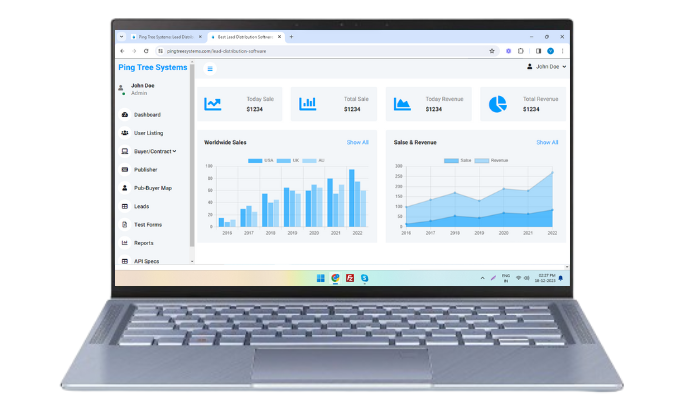
CRM automation paired with Ping Post lead routing creates a follow-up system that's both consistent and genuinely personalized.
Technology Stack: Automate the Process, Humanize the Message
The paradox of great lead nurturing is that it feels deeply personal but must run at scale. The right technology stack lets you deliver the personalized experience of a dedicated advisor while managing hundreds of active lead relationships simultaneously.
CRM + Behavioral Triggers
Configure your CRM to fire follow-up actions based on lead behavior: email opened but not replied → trigger phone call; quote page revisited → trigger "Are you still considering?" text; proposal PDF downloaded → escalate lead score and alert agent for immediate follow-up.
Ping Post Lead Routing
Use Ping Tree's Home Insurance Ping Post platform to ensure every incoming lead is matched to the right specialist instantly. Route by coverage type, property value, location, or agent availability — without manual intervention.
Lead Scoring & Prioritization
Score leads dynamically based on engagement depth: profile completeness, email interaction rate, quote revisits, and time-since-inquiry. High-score leads get agent escalation and personal calls; lower-score leads continue in automated sequences without consuming agent time.
Multi-Channel Sequencing
Coordinate email, SMS, voice drops, and LinkedIn touchpoints in a single automated sequence. Each channel serves a different engagement style — SMS for quick nudges, email for rich content, voice drops for warm re-engagement. Your CRM should track opt-outs and channel preferences across the entire sequence.
Handling Objections: Turn Hesitation Into Trust
Every objection is a question in disguise. A prospect who says "it's too expensive" is really asking "can you show me the value?" A prospect who says "I need to think about it" is really saying "I'm not yet convinced you're the right choice." Handling objections with specific, empathetic responses — not scripts — is where good agents become great ones.
"It's Too Expensive"
Never argue cost. Instead, reframe the conversation around value and risk. Show the financial exposure of being underinsured using a concrete local example. Present your second-tier option and explore bundling discounts (home + auto). Offer a cost-per-day breakdown — $1.20/day for $400K in coverage changes the perception entirely.
"I Need to Think About It"
Acknowledge the need to deliberate, then isolate the real concern: "Of course — is there a specific aspect of the coverage you'd like me to clarify before you decide?" Most "I'll think about it" responses dissolve when the underlying question is identified and answered directly.
"I'm Happy With My Current Insurer"
Respect their loyalty and pivot to education: "That's great — loyalty is valuable. Many of our clients said the same before we showed them their gap analysis. Would you be open to a free 10-minute comparison to confirm your current coverage is complete?" A free review positions you as a helpful expert, not a pushy competitor.
"Now Isn't a Good Time"
Agree, set a specific future date, and send a value-touch in the interim. A "No" on timing is almost never a "No" on the product. Automate a 30-day re-engagement touchpoint in your CRM so this lead re-enters your active sequence at exactly the right moment — without requiring manual tracking.