

Running nationwide health insurance ads sounds attractive at first, but many agencies quickly realize how expensive and inefficient broad targeting can become. Businesses often spend large amounts of money showing ads to people outside their service area, outside licensing regions, or completely unrelated to the plans they actually offer. That wasted traffic slowly increases acquisition costs while reducing overall campaign performance.
Most consumers also prefer working with insurers who understand their local healthcare environment. Someone searching for coverage in Miami has very different concerns compared to a family looking for health plans in Dallas or Phoenix. Local hospitals, provider networks, plan availability, and pricing all influence buying decisions. That’s why geo-targeted advertising has become such an important strategy for health insurance marketers.
Why Geo-Targeted Health Insurance Ads Perform Better
People trust businesses that feel local and familiar. A generic nationwide insurance ad usually feels less relevant compared to an ad mentioning the consumer’s city, nearby hospitals, or local healthcare providers. That small personalization often creates stronger engagement because consumers feel the offer was designed specifically for them.
Geo-targeting also improves marketing efficiency. Instead of wasting ad budget on regions where you cannot sell policies, agencies focus only on qualified locations that match licensing requirements and coverage availability. This creates better lead quality and stronger conversion opportunities while reducing unnecessary advertising costs.
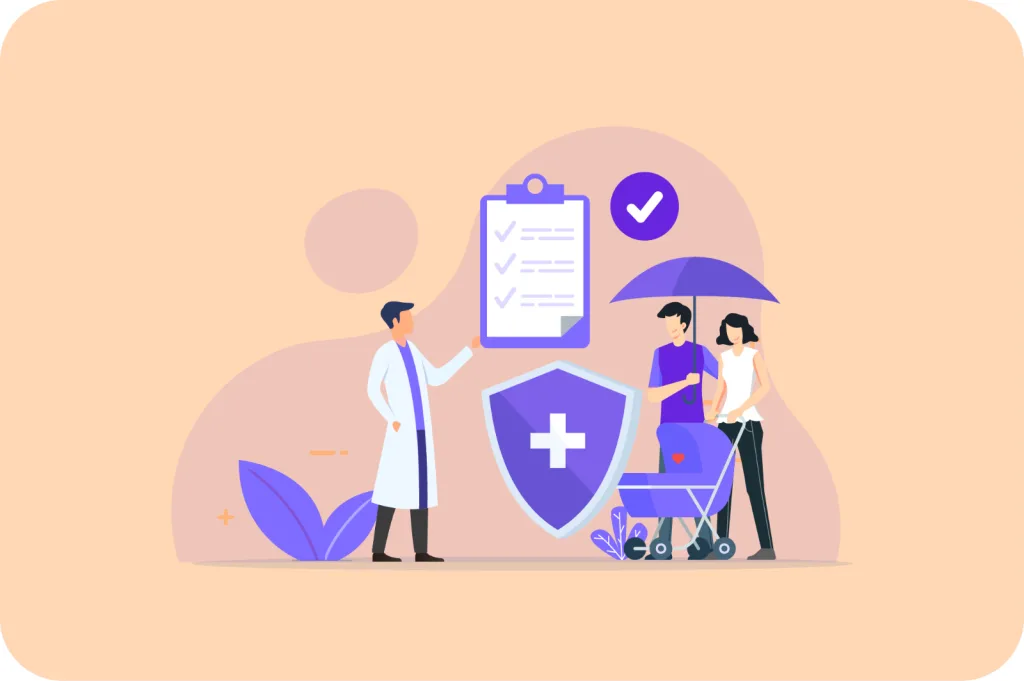
Important geo-targeting advantages include:
- Better local relevance
- Higher conversion rates
- Reduced ad waste
- Improved lead quality
- Stronger customer trust
Localized Ad Copy Creates Stronger Engagement
Most consumers ignore generic advertising because it feels broad and impersonal. But when an ad specifically mentions their city, local provider network, or nearby healthcare options, attention levels change immediately. The message suddenly feels more useful and trustworthy.
That’s why successful health insurance campaigns create localized messaging for every market they target. Instead of running the same advertisement everywhere, agencies customize headlines, descriptions, and landing pages for individual cities and service regions.
Important localized ad elements may include:
- City-specific headlines
- Nearby hospital references
- Local provider networks
- ZIP-code targeting
- Regional call-to-actions
City-Specific Landing Pages Improve Conversion Rates
A lot of insurance agencies make the mistake of sending every visitor to the same generic landing page. That usually reduces conversions because consumers want information that feels relevant to their location and healthcare needs. Someone searching for “health insurance in Houston” expects a much different experience than someone searching in New York or Phoenix.
City-specific landing pages help solve this problem by creating more personalized experiences. These pages can mention local hospitals, nearby provider networks, regional testimonials, and plan availability specific to that area. Consumers are much more likely to trust and engage with pages that feel tailored to their community.

Important city landing page features include:
- Local healthcare information
- Nearby hospital references
- Regional customer reviews
- Location-specific CTAs
- Mobile-friendly quote forms
Smart Lead Routing Makes Geo-Targeting More Effective
Generating local leads is only part of the process. Agencies also need to ensure those inquiries reach the right licensed agents quickly. Without structured routing systems, leads may end up assigned to buyers outside the service area or agents unfamiliar with local plans and regulations.
Technology powered by Ping Tree Systems helps businesses route leads based on geographic filters, licensing rules, and campaign targeting. This creates a smoother customer experience while helping agencies improve response speed and conversion efficiency.
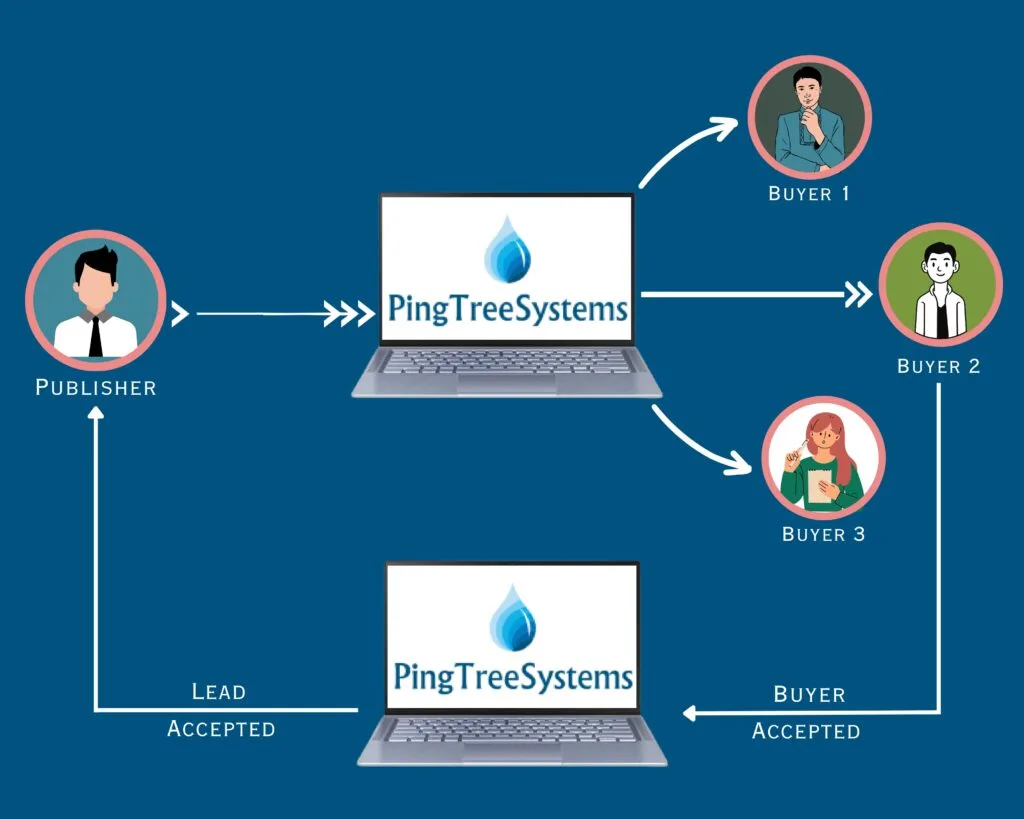
Important routing filters may include:
- State licensing rules
- ZIP code targeting
- Plan availability
- Agent location
- Coverage eligibility
Why Geo-Targeting Is Becoming Essential for Health Insurance Marketing
Health insurance advertising has become much more competitive, and agencies can no longer afford to waste budget on broad untargeted campaigns. Consumers expect personalized experiences, faster responses, and information that actually relates to their city and healthcare needs.
Geo-targeted advertising combined with automated lead routing helps agencies build more efficient campaigns without dramatically increasing marketing costs. Instead of chasing low-quality national traffic, businesses can focus on local prospects who are far more likely to convert into policyholders.
A stronger geo-targeted insurance strategy should focus on:
- Localized advertising
- Faster lead response
- Better geographic targeting
- Personalized landing pages
- Smarter lead routing
FAQ – Geo-Targeted Health Insurance Ad Questions
What are geo-targeted advertisements?
Geo-targeted ads are advertisements shown only to users in a specific geographic location such as a city, state, or ZIP code.
What is ping post?
Ping post is a real-time lead distribution method where limited customer information is first shared with buyers before the full lead is routed to the best match.
Why does geo-targeting improve health insurance conversions?
Localized ads feel more relevant to consumers and usually generate higher engagement and trust.
Why are city-specific landing pages important?
They create more personalized experiences by showing local hospitals, provider networks, and regional information.
How does automated lead routing help geo-targeted campaigns?
Automation helps route inquiries instantly to licensed agents serving that geographic area.
Why do agencies avoid nationwide untargeted campaigns?
Broad campaigns often waste budget on users outside service areas or licensing regions.
Final Thoughts
The health insurance market is becoming more localized and more competitive at the same time. Agencies relying on broad untargeted advertising often struggle with rising acquisition costs, poor lead quality, and inconsistent conversion rates.