

Choosing the right Medicare plan can feel overwhelming, especially when you are faced with multiple coverage options, changing healthcare needs, and confusing enrollment rules. For many seniors and eligible individuals, understanding the differences between Medicare plans becomes stressful because making the wrong choice can lead to higher medical expenses, limited coverage, or restricted access to healthcare providers.
Medicare is designed to help cover healthcare costs, but every plan works differently depending on your medical needs, prescription requirements, financial situation, and preferred doctors or hospitals. Some plans focus on lower monthly premiums, while others provide broader healthcare coverage and additional benefits. Taking time to compare options carefully can help you avoid unnecessary costs and choose a plan that supports your long-term health needs.
Today, digital tools are simplifying the Medicare selection process for many families. Platforms like Medicare Leads Generation Platform and advanced Lead Distribution Systems help connect individuals with suitable providers more efficiently, reducing confusion and improving decision-making during plan selection.
🩺 Understand the Different Types of Medicare Plans
Understanding the different Medicare options is the first step toward choosing the right healthcare coverage. Medicare is divided into several parts, and each one covers different medical services. Medicare Part A primarily covers hospital stays and inpatient care, while Part B focuses on doctor visits and outpatient medical services. Medicare Part C, also known as Medicare Advantage, combines additional benefits into a single plan, and Part D helps cover prescription medications.
Each plan has different costs, provider networks, and coverage limitations. Some individuals may prefer lower monthly premiums, while others prioritize broader healthcare access and prescription coverage. Your ideal Medicare plan depends heavily on your personal healthcare needs and financial situation.

Modern healthcare systems powered by Ping Post Software help providers improve service matching and simplify plan selection processes for users.
Types of Medicare plans:
- Medicare Part A
- Medicare Part B
- Medicare Advantage (Part C)
- Medicare Part D Prescription Plans
👨⚕️ Evaluate Your Current and Future Healthcare Needs
Before selecting a Medicare plan, it’s important to think carefully about both your current and future healthcare needs. Many people focus only on monthly costs without considering how often they visit doctors, what medications they take, or whether they may require specialized treatment later. Choosing a plan without proper evaluation can result in unexpected expenses and limited healthcare access.
Your medical needs may also change over time. Chronic conditions, specialist visits, surgeries, or prescription medications can significantly impact healthcare costs in the future. That’s why flexibility and long-term coverage options are extremely important when comparing Medicare plans.
Platforms like Medicare Leads Generation Platform help users connect with providers that better match their medical requirements and healthcare preferences.
Healthcare factors to consider:
- 👨⚕️ Doctor Visits Frequency
- 💊 Current Medications
- 🩺 Chronic Conditions
- 🏥 Preferred hospitals and specialists
💰 Compare Medicare Costs and Coverage Carefully
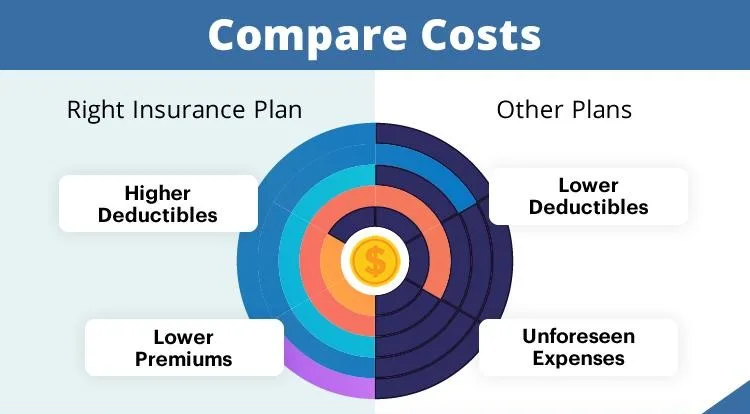
Cost is one of the biggest factors people consider when choosing a Medicare plan, but focusing only on monthly premiums can sometimes lead to poor decisions. Some low-cost plans may have higher deductibles, co-payments, or out-of-pocket expenses, which can become expensive if you require regular medical treatment.
Balancing affordability with proper healthcare coverage is extremely important. A plan with slightly higher monthly premiums may ultimately save money if it provides better prescription coverage, specialist access, or lower hospital costs. Comparing total healthcare expenses instead of just premium prices helps you make a smarter long-term decision.
Structured healthcare systems like Ping Tree Systems demonstrate how organized comparison processes improve efficiency and decision-making in complex healthcare environments.
Important cost factors:
- 💰 Monthly Premium
- 📊 Deductibles
- 💳 Co-payments
- 📉 Out-of-pocket Limits
🏥 Check Doctor Networks and Plan Flexibility
Not every Medicare plan allows access to the same doctors, specialists, or hospitals. Some plans use restricted provider networks, which means you may need to choose healthcare providers from a specific list. If your preferred doctors are not included, changing plans later can become difficult and expensive.
This is especially important for people with ongoing treatments or long-term healthcare relationships. Frequent travelers should also consider whether the plan offers nationwide coverage or flexibility outside their local area. Checking provider availability beforehand helps avoid disruptions in medical care.
Using platforms like Medicare Leads Generation Platform and systems such as Lead Distribution Systems helps ensure that you are matched with plans offering the right network and flexibility.
Network Checks:
- 👨⚕️ Doctor Availability
- 🏥 Hospital Access
- 📄 Referral Requirements
- 🌍 Coverage Area

📅 Understand Medicare Enrollment Periods
Many people are surprised to learn that Medicare enrollment deadlines are extremely important. Missing enrollment periods can lead to penalties, delayed coverage, or higher long-term costs. Understanding when you can enroll, switch plans, or update coverage is essential for avoiding unnecessary complications.
There are several enrollment periods, including initial enrollment, annual open enrollment, and special enrollment periods triggered by qualifying life events. Staying informed about these timelines allows you to make changes at the right time and maintain continuous healthcare coverage.

Technology-driven tools like Ping Post Software and Ping Tree Systems help streamline the process and provide timely updates for users.
Important Timelines:
- 🗓️ Initial Enrollment period
- 📅 Annual Enrollment period
- ⚡ Special Enrollment period
- 🔄 Coverage update deadlines
❓ FAQ – Medicare Plan Questions
What is the difference between Medicare Part A and Part B?
Medicare Part A mainly covers hospital services, while Part B focuses on doctor visits and outpatient medical care.
How do I know which Medicare plan is best for me?
The best plan depends on your healthcare needs, prescription medications, doctor preferences, and financial situation.
Can I change my Medicare plan later?
Yes. Medicare allows plan changes during annual enrollment periods and certain qualifying life events.
What happens if I miss Medicare enrollment deadlines?
Missing deadlines may result in late penalties, delayed coverage, or higher long-term healthcare costs.
Are prescription drugs covered under Medicare?
Prescription drugs are usually covered under Medicare Part D or certain Medicare Advantage plans.
Why are provider networks important?
Provider networks determine which doctors and hospitals you can access under your Medicare plan.
Do low-premium plans always save money?
Not necessarily. Some low-premium plans have higher out-of-pocket costs and limited coverage.
How can I compare Medicare plans more effectively?
Compare total costs, provider networks, prescription coverage, and flexibility before making a decision.
Conclusion: Make an Informed Medicare Choice
Choosing the right Medicare plan is one of the most important healthcare decisions you can make. Taking time to compare coverage options, healthcare costs, provider networks, and enrollment rules helps ensure better financial protection and long-term medical security. Careful planning today can prevent costly healthcare issues in the future.