
Utility bills have become one of the least predictable line items in a household budget. Between fluctuating energy rates, aging home systems, and extreme seasonal weather, many homeowners now watch their heating and cooling costs swing by hundreds of dollars a month with no clear explanation. The good news is that most of that cost is not random — it's the direct result of how well (or how poorly) a home holds on to the energy you pay for.
The homes that consistently run the lowest utility bills aren't necessarily the newest or the largest — they're the ones where insulation, sealing, appliances, and climate control have all been deliberately upgraded to work with the building rather than against it. This guide breaks down the fifteen highest-impact home improvements for utility bill savings, ranks them by cost and payback period, and gives you a clear starting point regardless of your budget.
Key Takeaway: The improvements with the fastest payback are rarely the flashiest ones. Air sealing, insulation, and thermostat scheduling often deliver savings within months, while big-ticket purchases like solar panels or new HVAC systems take years to break even but keep paying off long after that.
Key Energy Savings Statistics
"Homeowners chase the big-ticket upgrade first because it feels like progress. But the homes with the lowest bills are usually the ones that fixed the leaks and the settings before they ever bought new equipment." — Ping Tree Systems Home Improvement Insights.
Why Utility Bills Keep Rising
Three forces are compounding at once. First, electricity and gas rates have risen steadily in most regions as grid infrastructure and fuel costs increase. Second, more extreme summer and winter temperatures are pushing HVAC systems to run longer and harder each year. Third — and most within your control — many homes were built or last upgraded under older efficiency standards, meaning they simply weren't designed to hold on to conditioned air.
You can't control energy rates or the weather. What you can control is how much of the energy you pay for actually stays inside your home instead of leaking out through the attic, walls, windows, and doors — and that's exactly where home improvements make the biggest difference.
Top Home Improvements for Utility Bill Savings
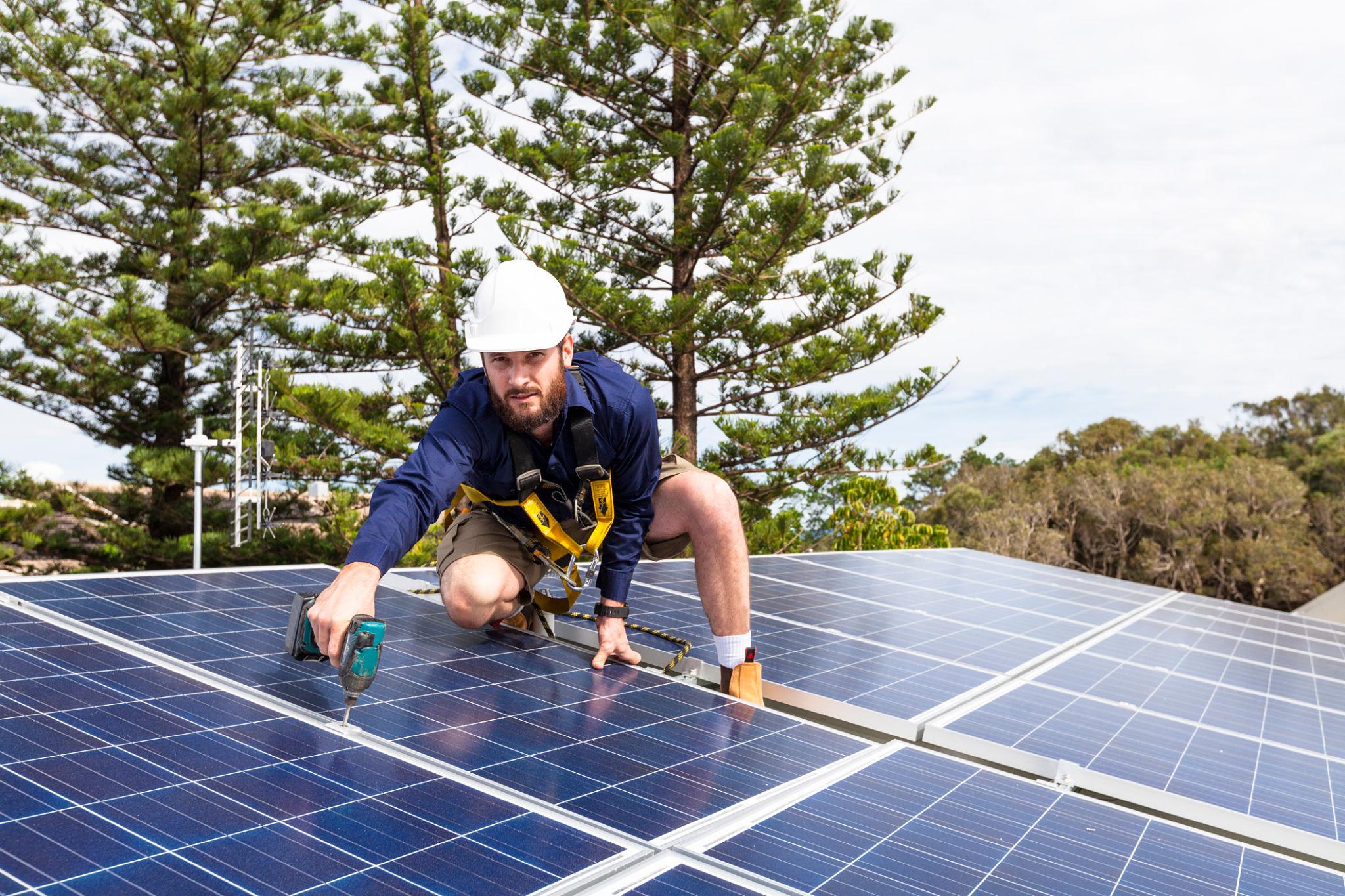
From low-cost sealing fixes to major solar installations, each upgrade below plays a different role in your savings plan.
Not every improvement belongs at the top of your list. The order below reflects both impact and how quickly each one pays for itself, so you can build a plan that fits your budget instead of guessing where to start.
Seal Windows and Doors
Air leaks around frames and thresholds force your HVAC system to work overtime. Weatherstripping and caulking are inexpensive, take an afternoon, and often deliver the fastest payback of any improvement on this list.
Insulate the Attic and Walls
Heat rises and escapes through an under-insulated attic in winter, while poor wall insulation lets outdoor heat flood in during summer. Proper insulation is one of the single highest-impact upgrades for year-round comfort and cost.
Install a Programmable or Smart Thermostat
Automatically lowering heating or cooling when you're away or asleep eliminates the waste of conditioning an empty house. Most smart thermostats also learn your schedule and fine-tune savings over time.
Upgrade to Energy-Efficient Appliances
Refrigerators, washers, dishwashers, and water heaters carrying the ENERGY STAR label use meaningfully less electricity and water than older models while performing the same job.
Install Solar Panels
The highest upfront cost on this list, but also the highest ceiling — solar panels can offset most or all of your grid electricity use, with excess power sometimes sold back to the grid depending on your region.
Install a Whole-House Fan
A whole-house fan pulls in cool outdoor air and pushes hot indoor air out, offering an energy-light alternative to running air conditioning during moderate weather.
Switch to LED Lighting
LED bulbs use a fraction of the electricity of incandescent bulbs and last many times longer, making this one of the cheapest and easiest upgrades to complete in a single weekend.
Upgrade Your Water Heater
Water heating is often one of the largest single energy costs in a home. Tankless or heat-pump water heaters reduce standby energy loss compared to older tank-style units.
Quick Fixes vs. Major Upgrades: Full Comparison
Every improvement on this list falls into one of two categories: a low-cost fix you can complete yourself in a weekend, or a major investment that typically requires a licensed contractor. This table compares the two categories across the dimensions that matter most for planning your budget.
Every improvement on this list falls into one of two categories: a low-cost fix you can complete yourself in a weekend, or a major investment that typically requires a licensed contractor. This table compares the two categories across the dimensions that matter most for planning your budget.
| Dimension | 🔧 Quick / Low-Cost Fixes | 🏗️ Major Investment Upgrades |
|---|---|---|
| Examples | Weatherstripping, caulking, LED bulbs, thermostat scheduling | Attic insulation, solar panels, new HVAC, water heater replacement |
| Typical Upfront Cost | Under $200, often DIY-friendly | $1,500–$20,000+, usually contractor-installed |
| Payback Period | Weeks to a few months | 3–12+ years depending on system and incentives |
| Annual Savings Potential | Modest but immediate | Large and compounding over the life of the upgrade |
| Installation Skill Needed | Beginner-friendly, minimal tools | Licensed contractor or specialist recommended |
| Impact on Home Value | Minimal direct effect | Can meaningfully increase resale value and buyer appeal |
| Best Starting Point For | Renters, tight budgets, first-time homeowners | Long-term homeowners planning to stay 5+ years |
How to Prioritize Your Upgrades
With a limited budget, the order you tackle these improvements in matters as much as which ones you choose. Here's a practical sequence that maximizes savings at every stage:
Start With a Home Energy Audit:
A professional or DIY energy audit identifies exactly where your home is losing energy — often revealing that a $150 sealing job delivers more relative savings than a $10,000 appliance purchase would.
Seal the Obvious Leaks First:
Weatherstrip doors, caulk window frames, and seal any visible gaps around pipes or vents. This is the cheapest step and pays back the fastest.
Add or Upgrade Insulation:
Once air leaks are handled, insulation in the attic, walls, and basement prevents the remaining conditioned air from escaping through the building envelope itself.
Install a Programmable Thermostat:
With the building envelope tightened up, a smart thermostat ensures you're not conditioning the home when nobody's there to benefit from it.
Replace Appliances as They Age Out:
Rather than replacing working appliances early, plan to choose ENERGY STAR-rated models when your current ones naturally reach end of life.
Consider Solar and HVAC Replacement Last:
These are the largest investments and deliver the best return once the rest of the home is already operating efficiently — otherwise you're paying to generate or condition energy that still leaks straight back out.
The Result: Homeowners who follow this sequence typically see noticeable bill reductions within the first one to two months — before they've spent a dollar on major equipment — because the cheapest fixes address the largest sources of waste first.
Who Benefits Most from Energy-Efficient Upgrades?
Long-Term Homeowners
If you plan to stay in your home for five years or more, major upgrades like insulation, solar, and HVAC replacement have time to fully pay for themselves and then continue generating pure savings.
Renters and First-Time Buyers
Low-cost, portable fixes — weatherstripping, LED bulbs, smart thermostats — deliver real savings without requiring permanent structural changes to a property you don't own.
Home Improvement Contractors
Rising utility costs are driving steady homeowner demand for insulation, solar, and HVAC projects — a growing pipeline of qualified project inquiries for contractors positioned to capture it.
For contractors and service providers in the insulation, solar, HVAC, and window and door categories, this rising homeowner demand represents a consistent stream of project opportunities. Ping Tree Systems' Home Improvement Ping & Post platform connects contractors with homeowners actively requesting quotes for exactly these projects — delivered in real time and matched to your service area through ping post lead distribution technology, so your sales team spends less time prospecting and more time closing jobs.
Conclusion: Small Changes Compound Into Big Savings
You don't need a five-figure renovation budget to meaningfully lower your utility bills. The homes with the lowest energy costs are built through a sequence of deliberate, well-prioritized improvements — starting with the cheapest fixes that address the biggest sources of waste, then layering in bigger investments once the fundamentals are handled.
Whether you're sealing a single window this weekend or planning a full insulation and solar retrofit over the next year, the improvements outlined above give you a clear, evidence-based roadmap for cutting costs without cutting comfort.
Are You a Home Improvement Contractor? Ping Tree Systems connects insulation, solar, HVAC, and window contractors with homeowners actively requesting quotes in your service area. Request a free demo today →
Frequently Asked Questions
Air sealing and attic insulation typically deliver the fastest, largest return because they reduce the workload on your existing HVAC system without requiring you to replace any equipment. Solar panels usually deliver the largest total dollar savings over time, but they require a much larger upfront investment and longer payback period.
Savings vary by climate, home age, and existing insulation levels, but a properly insulated and air-sealed home commonly sees a meaningful reduction in heating and cooling costs, since a large share of energy loss in an under-insulated home happens through the attic, walls, and gaps around windows and doors.
For appliances you run frequently — refrigerators, washers, dishwashers, water heaters — the lower operating cost of an efficient model usually recovers the price premium over a period of a few years, after which the savings continue for the rest of the appliance's working life.
Payback periods depend on system size, local electricity rates, available incentives, and sun exposure, and can range from several years to over a decade. Homeowners in areas with high electricity rates and strong sun exposure generally see faster payback than those in low-rate, low-sun regions.
Yes. A home energy audit identifies exactly where your house is losing energy — often revealing that low-cost fixes like air sealing deliver more relative savings than a major purchase would, which helps you prioritize spending instead of guessing.
Yes. Programmable and smart thermostats reduce energy use by automatically lowering heating or cooling when a home is unoccupied or residents are asleep, avoiding the waste of conditioning an empty house around the clock. You can learn more about getting matched with qualified homeowners looking for these upgrades at pingtreesystems.com/contact.