

Discover how solar lead generation platforms and real-time lead distribution systems help installers improve conversions, reduce acquisition costs, and maximize ROI.
The solar industry continues to expand rapidly across the United States as homeowners and businesses increasingly invest in renewable energy solutions. Rising electricity costs, government incentives, and growing environmental awareness have created strong demand for residential and commercial solar installations. However, despite this growing market opportunity, many solar companies still struggle with low-quality leads, rising customer acquisition costs, and inconsistent installation conversions.
The issue is not a lack of demand — millions of property owners actively search for solar solutions every year. The real challenge lies in identifying qualified homeowners, verifying project suitability, and routing those leads to the right solar installers efficiently. Companies that rely on outdated lead generation methods often waste valuable time and marketing budgets on unqualified inquiries that never turn into actual installations.
⚠️ Why Solar Lead Quality Matters
Many solar marketing campaigns focus heavily on generating large volumes of inquiries, but not every lead is ready or suitable for solar installation. Sales teams often spend significant time contacting renters instead of homeowners, evaluating unsuitable roofs, or following up with low-intent prospects who are simply comparing prices without serious buying intent.
Low-quality solar leads create major operational inefficiencies and increase overall acquisition costs. Poor credit applicants, duplicate leads, low electricity usage households, and properties with limited solar potential all reduce installation conversion rates. Over time, this weakens profitability and makes it harder for companies to scale efficiently.
Modern lead qualification systems powered by Ping Post Software help solar businesses filter and verify homeowner information before lead distribution, improving installer efficiency and increasing conversion opportunities.
Common solar lead quality problems:
- 🏢 Renters instead of homeowners
- 🏠 Unsuitable roof conditions
- ⚡ Low electricity consumption
- 📉 Poor credit applicants
- 🔁 Duplicate or shared leads

⚡ How Ping Post Lead Distribution Works for Solar Leads
A Ping Post Lead Distribution System allows solar installers to evaluate potential projects instantly before purchasing the full lead. When a homeowner submits a solar inquiry, the platform first sends limited information such as ZIP code, homeownership status, electricity bill range, roof type, and estimated credit range to eligible solar companies in real time.
Installers can then respond using predefined bidding rules or qualification criteria. The platform automatically routes the complete lead details to the most suitable buyer based on those responses. This process improves response speed, lead monetization, and installer matching accuracy while helping companies connect with serious homeowners faster.
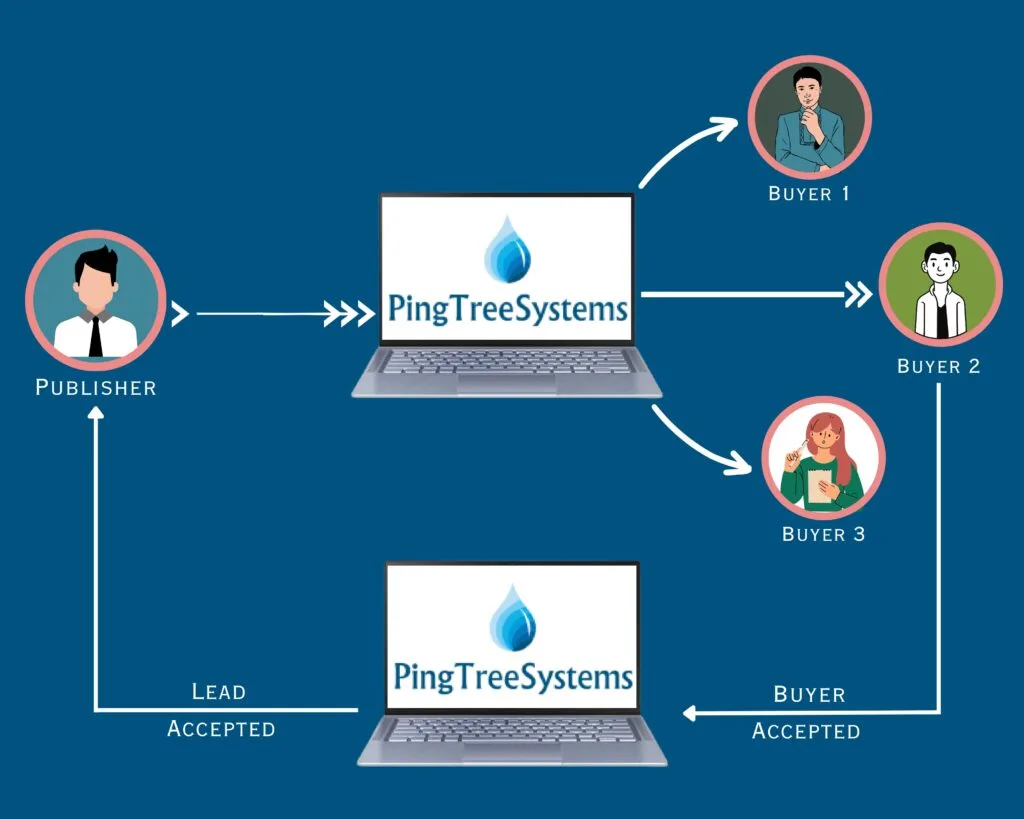
Speed is especially important in the solar industry because homeowners frequently request quotes from multiple providers at the same time. In many cases, the first company to respond gains a major competitive advantage and increases the likelihood of securing the installation project.
Benefits of ping post distribution:
- ⚡ Real-time lead routing
- 🏠 Faster homeowner response
- 🏆 Competitive installer bidding
- 💰 Better lead value
- 🔋 Higher installation potential
🌳 How Ping Tree Systems Maximize Every Solar Lead
A Ping Tree System ensures that every solar lead is utilized effectively. If the first installer rejects a homeowner inquiry, the platform automatically routes the lead to the next eligible buyer based on predefined filters and routing logic. This process maximizes lead utilization and helps improve monetization opportunities for lead providers and solar companies.
Solar businesses can customize routing rules based on service areas, installer availability, roof suitability, financing requirements, system size preferences, and homeowner credit criteria. These flexible workflows help improve project matching accuracy and reduce wasted lead opportunities.
Technology-driven systems powered by Ping Tree Systems help solar companies improve operational efficiency, reduce lead waste, and scale installation operations more effectively.
Ping tree routing advantages:
- 🔀 Multi-installer lead routing
- 💰 Improved lead monetization
- 🎯 Better project matching
- 🗑️ Reduced lead waste
- ⚙️ Flexible routing controls
📊 Advanced Solar Lead Qualification
Modern solar lead generation platforms collect far more than basic contact information. Advanced qualification systems help installers gather detailed homeowner data before lead distribution, allowing sales teams to prioritize serious prospects who are more likely to move forward with installation.
Important qualification details may include monthly electricity usage, property ownership status, roof condition, financing interest, home location, and estimated system size requirements. By validating this information early, solar companies can reduce wasted outreach efforts and focus on projects with strong conversion potential.
Better lead qualification also improves customer experience because homeowners are connected with installers capable of meeting their specific project needs. As competition continues growing in the renewable energy market, smarter lead filtering has become essential for long-term profitability and scalability.
🚀 Transforming Solar Marketing Into Predictable Growth
Solar companies that adopt intelligent lead generation and structured distribution systems often experience major improvements in conversion rates, operational efficiency, and marketing performance. Instead of wasting advertising budgets on unqualified inquiries, modern installers focus on verified homeowners who demonstrate genuine interest in solar solutions.
Real-time lead routing improves response speed, strengthens customer engagement, and increases installation opportunities before competitors can respond. Better qualification processes also help installers optimize scheduling, improve sales efficiency, and allocate operational resources more effectively.
By leveraging modern technologies like Solar Leads Generation Platform, Lead Distribution Systems, and Ping Tree Systems, solar businesses can improve lead quality, increase installation conversions, reduce acquisition costs, and build scalable systems that support predictable long-term growth.
Benefits of upgrading your solar lead strategy:
- 🏠 Higher-quality homeowner leads
- ⚡ Faster response times
- 🔋 Increased installation conversions
- 💰 Lower acquisition costs
- 📈 Better marketing ROI
🏆 Competitive Advantage in Solar Lead Generation
The solar industry continues becoming more competitive as installation companies expand their digital marketing efforts. Businesses that rely on outdated lead sources often face rising advertising costs, lower conversion rates, and reduced operational efficiency. Shared leads and poor targeting can quickly drain marketing budgets while producing inconsistent results.
A precision-focused lead generation and distribution strategy provides a major competitive advantage by improving targeting accuracy, response speed, and lead quality. Companies that adopt smarter routing systems can scale operations more effectively while improving customer experience and conversion performance.
Modern solar lead management systems provide:
- 🧠 Smart lead matching
- ⚡ Real-time lead routing
- 🎯 Better homeowner targeting
- 📈 Scalable operational growth
- 🔧 Improved installer efficiency
❓ FAQ – Solar Lead Generation Questions
What is a solar leads generation platform?
A solar leads generation platform helps companies collect, verify, and distribute qualified homeowner inquiries more efficiently.
Why are low-quality solar leads a problem?
Low-quality leads waste marketing budgets, reduce installation conversions, and increase operational costs.
What is ping post lead distribution?
Ping post distribution sends limited homeowner data to installers first so the system can identify the best buyer in real time.
How does a ping tree system work?
If one installer rejects a lead, the system automatically routes it to the next eligible buyer based on predefined filters.
Why is response speed important in solar sales?
The first installer to respond often gains a significant advantage because homeowners typically compare multiple quotes simultaneously.
What information is used for solar lead qualification?
Qualification data may include electricity usage, roof condition, homeownership status, financing interest, and property location.
Can automated lead distribution improve ROI?
Yes. Better lead filtering and routing reduce wasted marketing spend and improve installation conversion efficiency.
Why do solar companies use automated lead routing?
Automation improves scalability, response speed, targeting accuracy, and operational efficiency.
✅ Final Thoughts: Build a Smarter Solar Lead Strategy
The solar industry continues evolving rapidly, and companies that rely on outdated lead generation methods risk losing valuable installation opportunities to competitors. Generating large numbers of unqualified inquiries is no longer a sustainable growth strategy. Success now depends on identifying verified homeowners, improving response speed, and distributing leads intelligently in real time.